What Is Practice Management Software in Healthcare
Table Of Content
Published Date :
23 Mar 2026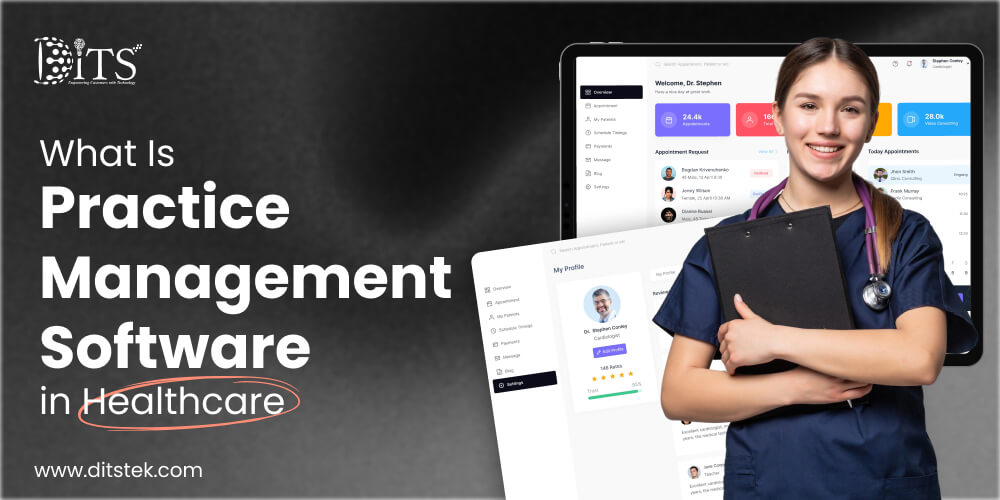
Key Takeaways
- Practice management software for healthcare helps clinics manage scheduling, billing, and patient administration in one system.
- Healthcare practice management software reduces manual administrative work for clinic staff.
- Automated insurance verification and billing workflows improve revenue cycle efficiency.
- Integration with EHR systems helps connect administrative and clinical operations.
- Secure systems must follow HIPAA regulations and protect patient data.
- Custom practice management software healthcare platforms allow clinics to build workflows tailored to their specialty.
In today’s U.S. healthcare landscape, running a successful medical practice means juggling far more than patient care. Physicians and administrators spend nearly 50% of their day on administrative tasks: scheduling appointments, insurance claims, no-shows, and endless paperwork that directly cuts into revenue and clinician time.
A typical mid-size clinic may handle hundreds of appointments every week, dozens of insurance verifications daily, and thousands of billing transactions each month. Without the right systems, the front desk, billing teams, and physicians lose valuable time dealing with operational issues.
Many healthcare organizations are now adopting specialized platforms that automate routine tasks and bring administrative workflows into one centralized system.
In this blog, we will explore, what is practice management software in healthcare, and why has it become such a critical part of running a modern medical practice.
What Is Medical Practice Management Software
Many clinic owners first hear about these systems when administrative work begins piling up. Missed appointments, insurance rejections, delayed billing cycles indicates that spreadsheets and disconnected tools simply can’t keep up anymore.
At its core, healthcare practice management software is a digital platform designed to manage the operational side of a medical practice. It handles the everyday administrative work that keeps a clinic functioning smoothly, including appointment scheduling, patient registration, insurance verification, billing, and payment tracking.
The purpose of practice management software for healthcare is straightforward. It reduces administrative burden, improves workflow efficiency, and helps healthcare providers manage financial operations more accurately.
Clinical systems such as electronic health records store patient medical information. Meanwhile, practice management software healthcare platforms manage scheduling, billing, patient intake, and insurance claims. When integrated together, they form the operational backbone of modern healthcare organizations.
Key stakeholders who use the system include:
Physicians
They rely on the scheduling system to manage patient appointments efficiently and avoid calendar conflicts.
Front Desk Teams
Reception staff handle appointment booking, patient check-ins, demographic data entry, and insurance verification.
Billing Staff
Medical billers use the platform to generate claims, track reimbursements, and resolve payment issues.
Practice Administrators
Operations managers monitor performance reports, revenue trends, and workflow efficiency across the practice.
On top of that, the system creates visibility. Managers can quickly see appointment volumes, claim status, and revenue performance without digging through multiple reports.
Need a better way to manage your clinic?
Looking to streamline your clinic operations and improve billing efficiency with tailored healthcare software solutions designed for your practice needs.
Core Features of Healthcare Practice Management Software
Modern healthcare practice management software platforms support a wide range of operational tasks. They replace manual coordination with structured workflows, automated processes, and real-time visibility across the practice.
Here are the most important features commonly used in healthcare organizations.
Appointment Scheduling and Calendar Management
Managing appointments sounds simple until patient volumes grow. A multi-physician clinic may handle 150 to 300 visits per day. Without a centralized scheduling system, double bookings and missed appointments become common.
Practice management software for healthcare solves this by providing:
- Multi-provider scheduling calendars
- Automated patient reminders through email or SMS
- Rescheduling and cancellation management
- Waitlist handling for faster slot filling
Front desk teams can quickly see physician availability, appointment duration, and patient history while scheduling.
Patient Registration and Demographic Management
Patient intake often creates long queues and administrative delays. Paper forms, repeated data entry, and missing insurance information slow everything down.
Modern practice management software healthcare platforms streamline the entire registration process by enabling:
- Digital patient intake forms
- Insurance information capture
- Demographic record management
- Automated patient profile creation
Reception staff can verify information quickly, while patients spend less time filling paperwork in waiting rooms.
Medical Billing and Insurance Claims Processing
Billing errors remain one of the biggest financial challenges in healthcare operations. Incorrect codes, incomplete claims, and delayed submissions can lead to denied reimbursements.
This is where healthcare practice management software plays a critical role.
Typical billing capabilities include:
- Automated claim generation
- Insurance eligibility verification
- Coding support and validation checks
- Claim submission tracking
- Denial management workflows
For many U.S. clinics, insurance claims account for more than 70 percent of revenue. Even small improvements in claim accuracy can significantly accelerate cash flow.
Payment Collection and Financial Reporting
Collecting payments is another area where automation delivers major benefits. Instead of manually reconciling transactions, clinics can track payments in real time.
Key financial features often include:
- Patient payment processing
- Co-pay and deductible tracking
- Outstanding balance monitoring
- Automated invoices and receipts
- Financial performance dashboards
Practice administrators can easily review revenue performance, payer mix, and payment delays without requesting reports from multiple departments.
Insurance Eligibility Verification
Insurance verification often causes unexpected appointment delays. Staff must confirm patient coverage before services are provided.
Modern practice management software for healthcare systems automate this process by connecting with insurance databases.
Typical verification capabilities include:
- Real-time eligibility checks
- Coverage confirmation before appointments
- Automated alerts for inactive policies
- Reduced claim rejection risk
This simple automation helps clinics avoid costly billing surprises.
Reporting and Operational Analytics
Operational reports provide insight into scheduling efficiency, billing performance, and patient volume trends.
Analytics tools within practice management software healthcare platforms often include:
- Appointment utilization reports
- Revenue cycle metrics
- Claim approval rates
- Patient visit trends
- Staff productivity dashboards
When managers can see these metrics clearly, they can adjust staffing, scheduling, and billing workflows more effectively.
Integration with Electronic Health Record (EHR) Systems
One of the most important capabilities of modern platforms is system integration.
Most clinics already use electronic health record systems for clinical documentation. healthcare practice management software integrates with those platforms to synchronize administrative and clinical workflows.
Typical integrations include:
- Patient demographic synchronization
- Appointment data sharing
- Billing information exchange
- Clinical documentation access during visits
This integration ensures physicians, administrators, and billing teams all work from consistent data.
It’s also where broader digital transformation initiatives often begin for healthcare organizations. Once core systems communicate with each other, clinics gain operational efficiency that manual workflows simply cannot match.
How Practice Management Software Improves Healthcare Operations
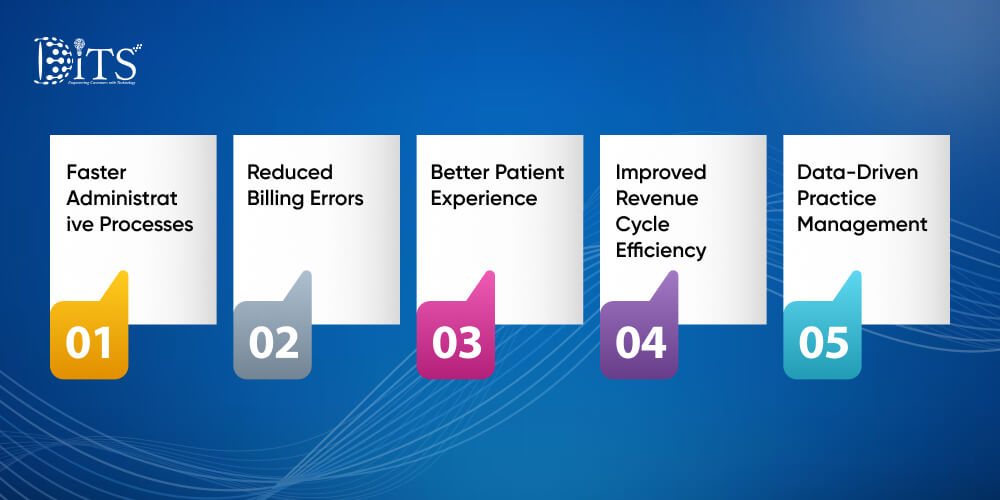
Once a clinic implements healthcare practice management software, the benefits start showing up in everyday operations.
Let’s look at how these systems actually improve healthcare operations.
Faster Administrative Processes
Administrative delays are one of the biggest operational bottlenecks in healthcare. Staff members often spend hours coordinating schedules, verifying insurance details, and manually entering patient data.
With practice management software healthcare, many of these processes become automated.
Common workflow improvements include:
- Automated appointment confirmations and reminders
- Faster patient check-in procedures
- Instant insurance verification
- Centralized patient records access
Instead of switching between multiple tools or paperwork, staff manage everything through one unified system.
Reduced Billing Errors
Billing mistakes can quietly drain revenue from healthcare practices. A single coding error or missing claim detail can delay payments for weeks or even months.
This is where practice management software for healthcare significantly improves financial operations.
Built-in validation checks help billing teams:
- Identify incomplete claims before submission
- Verify insurance eligibility automatically
- Track claim status in real time
- Resolve denied claims faster
For example, a medium-sized specialty clinic submitting 3,000 claims per month could reduce claim rejections by nearly 20 percent simply by automating claim validation.
Better Patient Experience
Administrative efficiency directly affects patient satisfaction. Long check-in queues, appointment delays, and billing confusion can frustrate patients quickly.
Healthcare practice management software helps streamline the patient journey in several ways:
- Faster patient registration
- Automated appointment reminders
- Reduced waiting room time
- Transparent billing communication
Patients arrive prepared, appointments start closer to schedule, and front desk staff handle check-ins more efficiently. Small operational improvements often lead to noticeably better patient experiences.
Improved Revenue Cycle Efficiency
Revenue cycle management remains one of the most complex aspects of healthcare operations. From patient registration to claim reimbursement, every step must function correctly.
Practice management software healthcare supports the revenue cycle by organizing financial workflows.
Typical improvements include:
- Faster claim submissions
- Better insurance documentation
- Real-time billing status tracking
- Clear reporting on outstanding payments
Over time, these improvements shorten reimbursement cycles and stabilize cash flow for the practice.
Data-Driven Practice Management
Healthcare leaders increasingly rely on operational data when making decisions. Without reliable metrics, administrators often rely on guesswork.
Modern practice management software for healthcare platforms provide actionable insights through reporting dashboards and analytics tools.
Practice managers can review:
- Patient visit volumes
- Appointment utilization rates
- Claim approval percentages
- Revenue performance by payer
And once clinics begin using data to guide decisions, operational improvements tend to accelerate.
Some organizations even combine operational analytics with AI in healthcare tools to identify billing inefficiencies or predict appointment demand patterns. It’s not science fiction anymore. Many clinics are already experimenting with it.
Key Compliance and Security Requirements in the U.S.
Practice management software must align with strict healthcare regulations and security frameworks to ensure patient data protection, accurate billing, and legally compliant operations across clinics, hospitals, and multi-provider healthcare environments.
HIPAA
Ensures protection of Protected Health Information (PHI) through encryption, role-based access control, audit logs, and secure data transmission. Practice management systems must enforce administrative, physical, and technical safeguards to prevent data breaches.
HITECH
Strengthens HIPAA by enforcing breach notification rules and promoting electronic health record adoption. Software must support secure data exchange, incident reporting, and compliance tracking to meet federal digital health requirements.
False Claims Act (FCA)
Prevents fraudulent billing and improper reimbursement claims. Practice management software must include validation engines, coding accuracy checks, and audit trails to ensure claims submitted to payers meet regulatory and financial compliance standards.
EMTALA
Requires hospitals to provide emergency care regardless of patient’s ability to pay. Systems must support emergency case documentation, patient intake tracking, and compliance workflows to ensure adherence to mandated treatment protocols.
Physician Self-Referral Law (Stark Law)
Prohibits referrals where financial interest exists. Software must track referral patterns, integrate compliance alerts, and maintain transparent reporting to prevent violations and ensure ethical healthcare service delivery practices.
At DITS, security is embedded directly into our healthcare software development process. We also apply AI integration within development and testing processes to strengthen system reliability, maintain code quality, and support secure customization.
Strong security controls ensure that healthcare organizations protect patient information while maintaining uninterrupted operations.
Benefits of Custom Practice Management Software Development
Off-the-shelf systems often provide basic functionality, but many healthcare organizations eventually require solutions that better match their workflows. Custom-built healthcare practice management software allows practices to design systems aligned with their operational needs.
Key advantages include:
Tailored Workflows
Different specialties operate differently. Custom practice management software for healthcare allows clinics to design appointment scheduling, patient intake, and billing processes based on their specific workflows.
System Integration
Healthcare providers typically use multiple systems such as EHR platforms and billing tools. Custom practice management software healthcare integrates these systems to reduce manual data entry and improve operational coordination.
Scalability
Custom platforms can expand as organizations grow. Additional features, integrations, and analytics capabilities can be added without disrupting existing operations.
Improved Operational Visibility
Custom reporting tools allow administrators to monitor appointment volumes, billing performance, and operational efficiency more effectively.
Some healthcare organizations also combine operational systems with AI solutions for enterprise platforms to improve forecasting and operational planning.
Why Choose DITS For Healthcare Practice Management Software Development
Selecting the right development partner plays a major role in the success of healthcare practice management software initiatives.
At DITS, we specialize in healthcare software development tailored for medical practices and healthcare providers in the U.S. Our teams build scalable practice management software healthcare platforms that support scheduling, billing operations, patient registration, and insurance management within one integrated system.
We also incorporate advanced AI integration into our development lifecycle. AI supports our engineering teams in software development, testing, maintaining code quality, and enabling deeper customization. In many cases, intelligent capabilities can also enhance automation and operational efficiency within the platform.
Beyond implementation, DITS supports healthcare organizations as long-term partners by helping them evolve their systems as part of broader digital transformation initiatives.
Do you need custom software for your medical practice?
Need a scalable solution tailored to your practice requirements? Build a system that supports growth, compliance, and patient management workflows.
Conclusion
Healthcare practices today operate in an environment where administrative efficiency directly affects financial performance and patient experience.
Understanding what is practice management software in healthcare helps decision-makers recognize how digital platforms simplify scheduling, billing, patient intake, and operational reporting. When implemented correctly, practice management software for healthcare reduces administrative workload, improves billing accuracy, and strengthens revenue cycle management.
For many healthcare organizations, adopting practice management software healthcare platforms becomes an essential step toward building more efficient and scalable operations.
FAQs
What is practice management software for healthcare?
Practice management software for healthcare is a digital system designed to manage the administrative operations of a medical practice. It helps clinics handle appointment scheduling, patient registration, insurance verification, billing, and payment tracking through a centralized platform. By automating routine administrative tasks, healthcare providers can improve operational efficiency and focus more on patient care.
How does healthcare practice management software improve clinic operations?
Healthcare practice management software improves operational efficiency by organizing scheduling, billing, and patient management workflows into one system. It reduces administrative workload, minimizes billing errors, speeds up insurance claims processing, and provides data insights that help practice managers monitor performance and revenue trends.
Can practice management software healthcare platforms integrate with EHR systems?
Yes. Most modern practice management software healthcare platforms are designed to integrate with electronic health record systems. This integration allows patient demographic data, appointment information, and billing details to flow between administrative and clinical systems, reducing duplicate data entry and improving operational coordination.
How can DITS help develop custom healthcare practice management software?
DITS provides healthcare practice management software development services tailored to the operational needs of medical practices, clinics, and healthcare organizations. Our development teams design scalable systems that support scheduling management, patient intake workflows, billing operations, insurance verification, and reporting dashboards while ensuring compliance with U.S. healthcare regulations.
Does DITS offer custom practice management software for healthcare organizations?
Yes. DITS offers custom practice management software for healthcare development services for organizations that require specialized workflows or integrations. Our solutions are designed to integrate with EHR platforms, billing systems, and patient portals while supporting long-term operational scalability for healthcare providers.

Nidhi Thakur
With more than 19 years of experience - I represent a team of professionals that specializes in the healthcare and business and workflow automation domains. The team consists of experienced full-stack developers supported by senior system analysts who have developed multiple bespoke applications for Healthcare, Business Automation, Retail, IOT, Ed-tech domains for startups and Enterprise Level clients.
Recent Posts

Automated document processing helps reduce cargo insurance claim delays by streamlining document handling, validation, and claims workflows.

Automated document processing helps reduce cargo insurance claim delays by streamlining document handling, validation, and claims workflows.
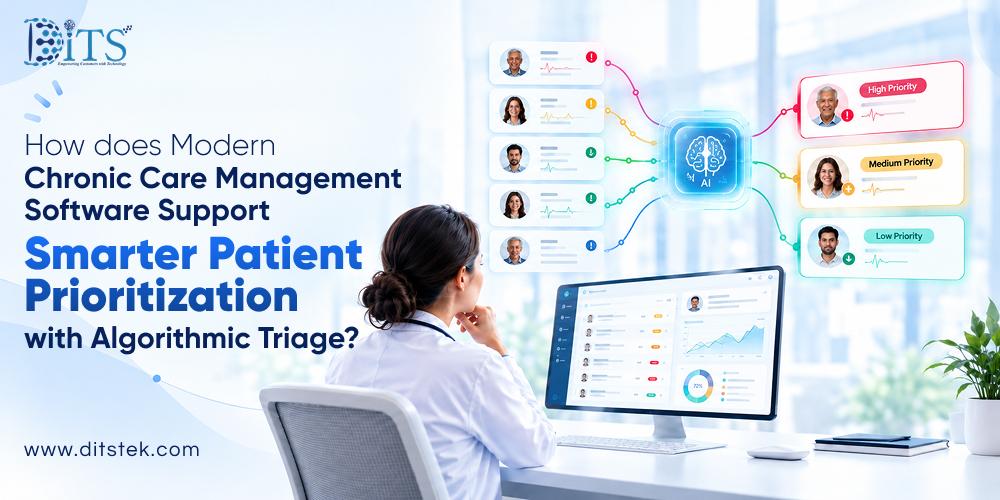
Discover how chronic care management software uses algorithmic triage to identify patient risk, prioritize care, and improve care team efficiency.