Change Takes Too Long
Small business requests can turn into long development cycles when applications contain tightly coupled modules, undocumented dependencies, outdated frameworks, or fragile release processes.
We help enterprises modernize business-critical applications without assuming everything needs to be rebuilt. Our application modernization services combine application modernization consulting, engineering, cloud, data, APIs, UX, automation, and architecture expertise to define the right legacy application modernization path while protecting the workflows and business logic operations depend on.
Talk Your Legacy ChallengeLegacy application modernization becomes necessary when business-critical software still works but becomes increasingly difficult to change, integrate, support, or scale. Our approach to enterprise application modernization starts by understanding where the application is restricting operations before deciding what technology should change.
Small business requests can turn into long development cycles when applications contain tightly coupled modules, undocumented dependencies, outdated frameworks, or fragile release processes.
Years of rules, workflows, calculations, exceptions, and organizational knowledge may exist inside legacy code that cannot simply be discarded during redevelopment.
Older systems may struggle to connect with modern SaaS platforms, partner applications, mobile experiences, analytics environments, cloud services, or AI capabilities.
When the application cannot evolve, employees compensate with spreadsheets, duplicate entry, email, offline approvals, and disconnected tools that gradually become part of the operating process.
Dated screens, complicated navigation, desktop-only experiences, and repetitive input can reduce employee productivity even when the underlying system remains functional.
Unsupported technologies, aging dependencies, specialist skill requirements, and limited documentation can increase the operational risk surrounding applications the business still depends on.
New locations, acquisitions, customers, transaction volumes, integrations, or product capabilities may expose architectural limits that were not relevant when the application was originally created.
Organizations may want better analytics, automation, mobile access, or AI but discover that the existing application cannot expose the required data, APIs, events, or integration points.
The current system may have serious limitations, but replacing years of business logic in one large programme can create unacceptable cost, continuity, and migration risk.
Effective application modernization services should change more than the codebase. Through legacy software modernization, we focus on the conditions leadership, users, and engineering teams need to improve, release speed, workflow efficiency, reliability, integration, scalability, experience, and the ability to evolve the application over time.
A more modular and maintainable application helps organizations respond to new products, processes, regulations, integrations, and customer expectations without every change becoming a major engineering exercise.
Modernization creates an opportunity to remove duplicate entry, manual reconciliation, unnecessary handoffs, and workarounds that accumulated around limitations in the original application.
Better architecture, testing, deployment, monitoring, and observability can make business-critical applications easier to operate and troubleshoot.
Modern APIs and integration patterns allow the application to work with customers, partners, mobile channels, data platforms, cloud services, and wider enterprise systems.
Modern interfaces can simplify priority workflows, reduce unnecessary navigation, and give employees or customers better access across devices.
Architecture, infrastructure, data, and deployment models can evolve to support additional users, workloads, locations, integrations, and product requirements.
Modern data access, APIs, workflows, and architecture make it easier to introduce intelligent capabilities where there is a validated business reason to do so.
The objective is not simply to complete a modernization project. It is to create an application that becomes easier to maintain and evolve after the transformation.
Outcome: A healthcare claims organization was operating on aging AS/400 infrastructure with batch-driven updates, fragmented back-office workflows, manual reporting, and payer onboarding that took 14–16 months. DITS helped build a modern cloud-based platform using microservices, APIs, real-time processing, mobile experiences, and integrated analytics.
Onboarding reduced to 3–4 months, approximately 70% faster, alongside 400+ REST and EDI APIs, real-time KPI reporting, and architecture designed to scale to millions of claims.
View Full Portfolio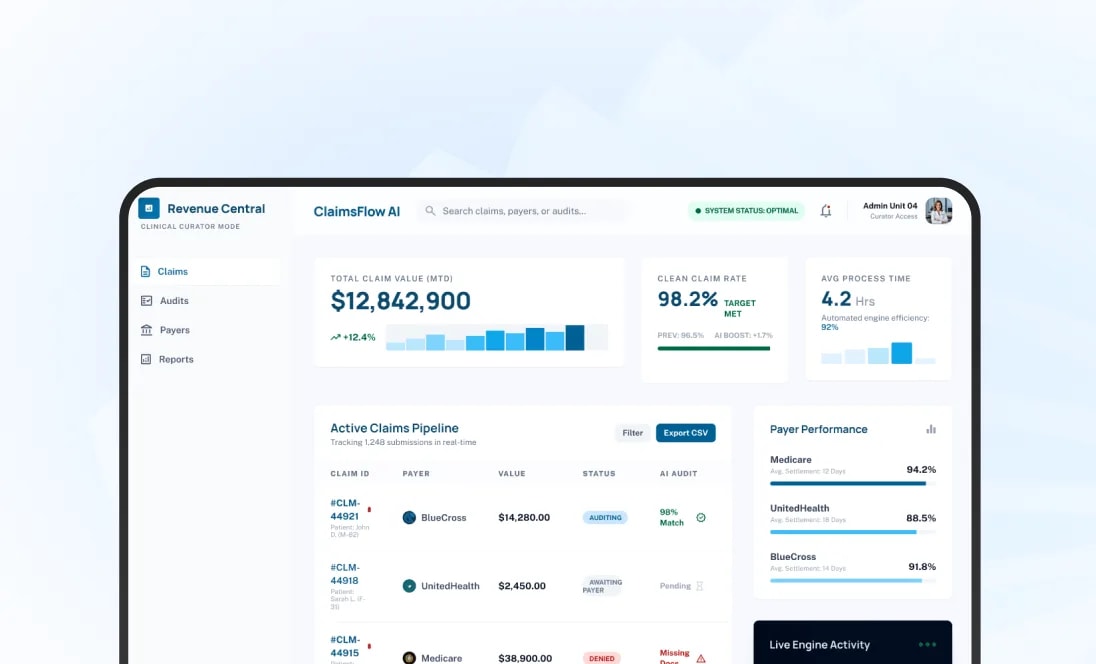
Outcome: A large fashion retailer relied on disconnected systems, Excel-based processes, manual financial reconciliation, outdated interfaces, and no structured CI/CD process. DITS modernized the environment into a centralized platform spanning POS, inventory, HR, training, reconciliation, maintenance, and operational reporting.
The project covers 650+ store locations and reports a 60% reduction in stock-transfer errors, elimination of manual EFT reconciliation, modernized UI, staging and rollback environments, and QA-integrated releases.
Read Full Portfolio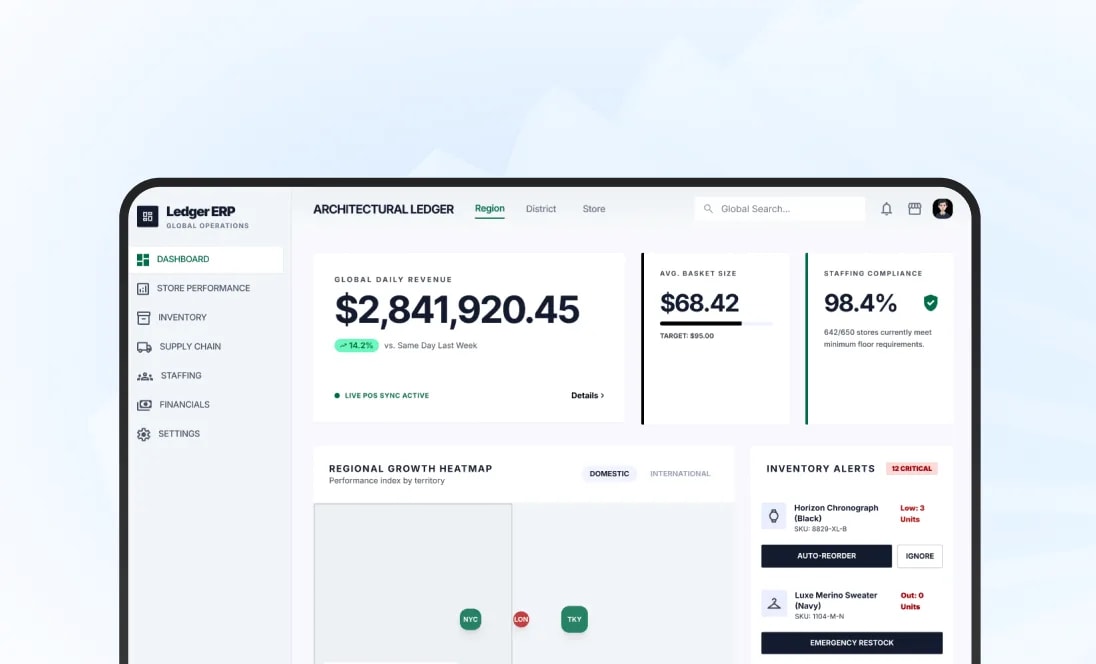
Outcome: An IoT tracking platform had a monolithic JSP-based architecture that restricted scaling and product evolution. DITS modernized the environment using Spring Boot microservices, Docker, AWS infrastructure, CI/CD, improved integrations, telemetry, device management, and real-time monitoring.
75% reduction in deployment time after the introduction of streamlined CI/CD pipelines and describes the platform's evolution from a legacy application into a SaaS and hardware-integrated IoT ecosystem.
View Full Portfolio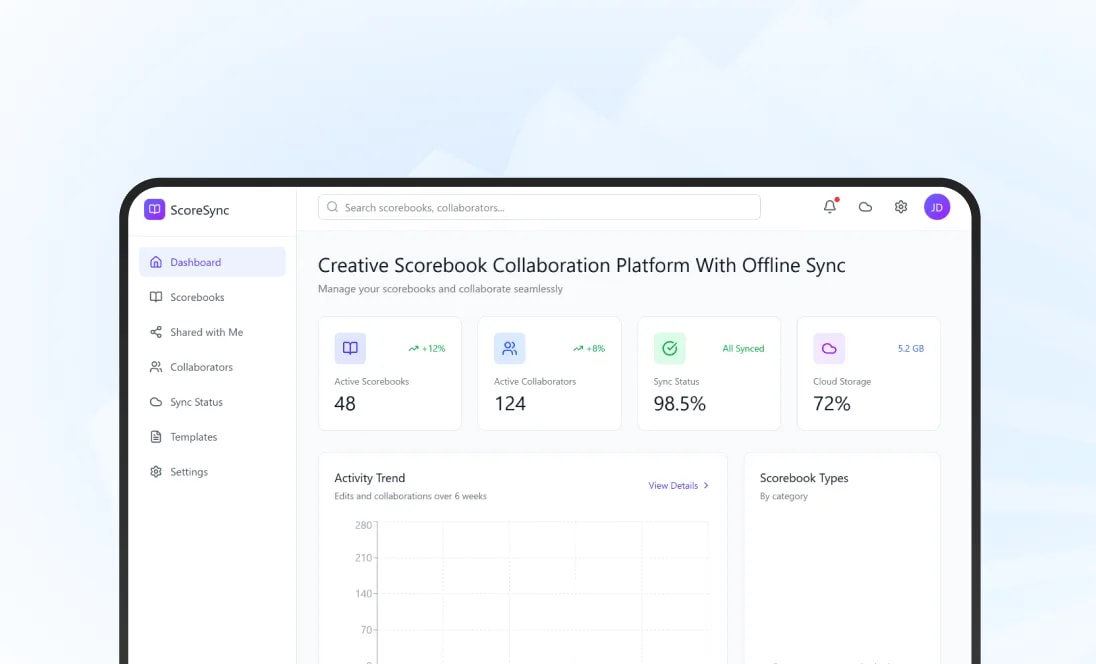
Our application modernization consulting evaluates the application from business and technology perspectives before recommending an intervention. The right legacy application modernization strategy may involve preserving much of the current system rather than replacing everything.
Keep components that continue to meet business, operational, security, and technical requirements.
Address immediate reliability, security, performance, testing, deployment, or documentation gaps without introducing unnecessary architectural change.
Wrap useful legacy capabilities behind modern APIs so data and business functionality can work with newer systems while the underlying application remains operational.
Move the application to a different infrastructure environment with limited application change when infrastructure is the main constraint.
Move selected workloads, databases, or components onto more appropriate platforms while avoiding a complete redesign.
Improve code structure, maintainability, performance, or technical debt where the architecture remains fundamentally useful.
Redesign selected application areas when existing architecture, workflows, or technology prevent meaningful improvement.
Create new application capability when the existing implementation no longer provides a practical foundation for the business requirement.
Adopt another platform where rebuilding custom functionality creates less business value than moving to an appropriate commercial or SaaS product.
Bring us the application, the operational constraint, and what the business needs to do next. We will help determine what should be retained, stabilized, integrated, refactored, migrated, re-engineered, or rebuilt.
Map Your Modernization PathOur application modernization services combine consulting and engineering across architecture, applications, data, integrations, cloud, user experience, quality, and operations. This gives us the flexibility to support custom application modernization without forcing every programme into the same technical pattern.
Restructure architectural boundaries, reduce unnecessary coupling, introduce service-oriented patterns, and improve scalability or maintainability where architecture is restricting business change.
Upgrade frameworks, refactor high-risk modules, remove obsolete dependencies, improve maintainability, and reduce technical debt while protecting validated business behaviour.
Redesign priority workflows for modern web, mobile, responsive, and role-based experiences where dated interfaces are reducing productivity or adoption.
Expose reusable business capabilities and data through secure APIs so legacy applications can participate in wider digital ecosystems.
Improve database structures, access patterns, migration approaches, reporting foundations, and data availability required by modern products and analytics.
Evaluate infrastructure and application changes required for IaaS, PaaS, containers, managed services, hybrid environments, or cloud-native architectures.
Remove manual handoffs, spreadsheet dependencies, duplicated entry, and offline processes that formed around limitations in the original application.
Introduce automated testing, regression coverage, performance validation, and modern QA practices to increase confidence as the application changes.
Improve source control, pipelines, environments, deployment, rollback, monitoring, and release practices so modernization continues after the first release.
Prepare applications, data, APIs, knowledge, and workflows for intelligent capabilities without forcing AI into use cases where conventional modernization is sufficient.
Enterprise application modernization affects workflows, users, integrations, infrastructure, data, operations, and organizational risk. Before execution, our application modernization consulting evaluates the wider environment so the roadmap accounts for what the business depends on—not only what the engineering team wants to improve.
Clarify the business constraint, strategic priorities, expected outcomes, investment boundaries, operational deadlines, and continuity requirements.
Map the processes, users, decisions, workarounds, and handoffs surrounding the application so modernization solves the right problem.
Assess application structure, coupling, dependencies, scalability, performance, hosting, and technical boundaries.
Review maintainability, framework support, dependencies, documentation, test coverage, code quality, and areas of concentrated technical risk.
Understand schemas, historical data, ownership, migration needs, quality issues, reporting dependencies, and downstream consumers.
Map APIs, files, queues, databases, external services, partners, and system-to-system dependencies that modernization could affect.
Identify identity, authentication, authorization, secrets, vulnerabilities, dependencies, encryption, and security controls that require improvement.
Review environments, QA, deployment, observability, support processes, release cadence, rollback capability, and operational ownership.
The biggest risk in legacy software modernization is not always the old technology. It is losing years of rules and operational knowledge embedded within it. Our approach to legacy application transformation separates what the business needs to preserve from what the technology needs to change.
Calculations, thresholds, eligibility rules, pricing logic, routing, approvals, and other behaviour can be identified before functionality is redesigned.
We document how employees actually use the application, including workarounds that may never have appeared in the original specification.
Existing interfaces may support customers, partners, finance, operations, reporting, or external platforms that must continue functioning during the transition.
Historical structures often contain assumptions that newer applications still need to understand before data is migrated or redesigned.
Edge cases accumulated over years can be commercially or operationally critical despite representing a small percentage of transactions.
Reports, reconciliations, approvals, audit history, and operational dashboards may be essential to how the organization governs the process.
Experienced employees frequently hold knowledge that exists nowhere in documentation. We bring those users into discovery before important behaviour disappears during technical change.
Our application re-engineering services address applications where incremental fixes cannot solve structural constraints. We combine architecture, code, data, integration, and workflow expertise so legacy software modernization can improve the parts of the system that materially restrict scalability, maintainability, or business evolution.
Separate appropriate domains or services where a tightly coupled application makes deployment, scalability, or ownership difficult.
Concentrate engineering effort on application areas responsible for disproportionate maintenance, performance, reliability, or change complexity.
Create clearer responsibilities between components so future functionality can evolve without affecting unrelated parts of the platform.
Replace selected user journeys or business modules while allowing stable parts of the existing application to continue operating.
Reduce direct database dependencies and introduce clearer data-access or service layers where legacy data coupling restricts change.
Address application, database, network, caching, and infrastructure bottlenecks according to the behaviour actually limiting the workload.
Introduce boundaries, automated tests, service contracts, and controlled environments that make future changes safer.
The objective is not simply cleaner architecture. It is creating an application that engineering teams can continue changing reliably after the modernization programme ends.
Our application migration services are driven by the target business and operating model rather than a cloud-first assumption. DITS evaluates whether enterprise application modernization requires rehosting, replatforming, refactoring, containerization, managed services, hybrid operation, or keeping selected workloads where they already run.
Move appropriate application workloads from aging or constrained infrastructure to a target environment while controlling dependencies and operational risk.
Transition suitable applications to AWS, Microsoft Azure, or Google Cloud according to architecture, compliance, performance, availability, and operating requirements.
Move workloads toward managed runtimes, application platforms, containers, or other services where the change reduces operational burden or creates useful capability.
Plan schema movement, transformation, compatibility, synchronization, validation, cutover, and rollback around the wider application dependency map.
Move from unsupported or constrained frameworks toward supported platforms where the business case justifies code-level change.
Allow old and new components to coexist while selected functionality, users, workloads, or data move in controlled stages.
Test data, functionality, integrations, security, performance, workflows, and business acceptance before completing the transition.
Migration is not modernization by itself. We evaluate what should be optimized after the workload reaches its target environment.
Modernization does not have to mean replacing everything at once. DITS helps you assess application dependencies, migration priorities, architecture, cloud readiness, data, and operational risk to create a practical path forward that improves agility, resilience, and scalability while protecting business continuity.
Discuss Your Modernization PrioritiesA successful legacy application modernization programme may create more value by improving connectivity than by rewriting every component. We modernize APIs, data access, identity, events, and integration patterns so the existing application can participate in a more flexible enterprise environment.
Replace point-to-point or tightly coupled integration where appropriate with documented, secure service interfaces.
Give customers, partners, vendors, or external systems controlled access to the information and processes they need.
Connect modernized applications with CRM, ERP, finance, operations, data, collaboration, and other business platforms.
Use messaging or event patterns where applications need to react to business activity without maintaining direct synchronous dependencies.
Introduce modern authentication, single sign-on, authorization, and role models where legacy identity patterns restrict usability or security.
Create clearer access layers that allow reporting, analytics, mobile products, AI, or other consumers to use data without uncontrolled database coupling.
Add monitoring, logging, tracing, retries, and exception workflows so connected systems can be supported in production.
Custom application modernization can affect software the organization has relied on for years. We plan change around operational continuity, testing, security, user adoption, migration risk, and rollback so the transformation does not treat the live business as a laboratory.
Break modernization into manageable increments where individual capabilities can be validated before wider transition.
Maintain controlled coexistence between legacy and modern components where immediate replacement would create unnecessary risk.
Protect established behaviour while code, frameworks, architecture, integrations, or infrastructure change.
Reconcile migrated or synchronized data against defined acceptance criteria before downstream workflows rely on it.
Address outdated dependencies, access patterns, secrets, identity, and other security concerns as part of the modernization roadmap.
Improve logs, metrics, traces, alerts, and production visibility so teams can understand system behaviour during and after change.
Design cutover and release strategies with clear recovery options where application criticality requires them.
Modernized technology creates little value if users cannot transition. We include workflow validation, feedback, training, and change support where required.
Legacy Environments
A successful legacy application transformation is a sequence of decisions, not a single migration event. We use application modernization consulting to understand the business and application first, validate the highest-risk assumptions, and modernize in phases that preserve operational continuity.
Clarify the business problem, strategic objective, users, critical workflows, expected outcomes, and what cannot be disrupted.
Evaluate architecture, code, data, dependencies, integrations, security, infrastructure, quality, operations, and cost of change.
Compare retain, stabilize, API-enable, rehost, replatform, refactor, re-engineer, rebuild, and replace options based on the evidence.
Test architecture choices, migrations, integration patterns, prototypes, workflow changes, or high-risk technical assumptions before larger investment.
Implement the selected combination of application, architecture, UX, cloud, data, API, workflow, and quality changes.
Transition users, teams, processes, ownership, support, governance, and release practices into the modernized environment.
Compare the agreed technical and business outcomes against the pre-modernization baseline.
Continue improving architecture, workflows, data, integrations, performance, security, intelligence, and user experience as requirements change.
Our application modernization services combine business analysis, application modernization consulting, product thinking, architecture, engineering, cloud, data, integration, quality, and continuous evolution. The goal is not to sell more redevelopment, it is to help clients make the right modernization decision and execute it with control.
We understand why the application has become a problem before diagnosing the technical intervention.
Sometimes the right answer is retain, stabilize, integrate, or selectively refactor. The recommendation should follow business value and risk.
Our discovery focuses on workflows, rules, dependencies, integrations, and operational knowledge the business needs to preserve.
DITS can move from assessment and roadmap through architecture, implementation, migration, quality engineering, and continuous modernization.
Our capabilities span UX, code, architecture, data, APIs, cloud, DevOps, integrations, automation, and AI readiness.
Phased transformation can reduce the risk of moving large business-critical systems in one disruptive programme.
Our portfolio includes AS/400 transformation, monolith modernization, enterprise cloud platforms, workflow digitization, API enablement, CI/CD modernization, and multi-site operational systems.
Modern applications still need continuous engineering, optimization, security, performance improvement, and adaptation as the business evolves.
DITS uses application modernization services to understand what the business needs to preserve, what is limiting progress, and which modernization path creates the strongest balance of value, continuity, and future capability.
Map My Modernization Path