How Insurance Agency Management Software Company Strengthens Compliance and Control
Table Of Content
Published Date :
03 Feb 2026
In the insurance industry, compliance and control have moved well beyond periodic audits, and they now sit at the core of leadership responsibility. Regulatory expectations continue to tighten, and stakeholders demand greater transparency. For senior executives, these risks affect business continuity, market credibility, and long-term growth.
This shift has pushed compliance into boardroom discussions alongside strategy and planning. Leaders are looking for clarity, consistency, and accountability across the organization. That is where partnering with the right insurance agency management software company creates real value.
This blog discusses the compliance and control challenges faced by insurance agencies worldwide. It also discusses the role and importance of insurance agency management software and how it addresses those challenges and the business benefits it offers for insurance agencies.
Compliance and Control Challenges Insurance Agencies Face Today
Most insurance agencies do not face problems with their purpose because they encounter challenges with their organizational framework. Systems develop into isolated units through continuous operation. One system stores policy information while another system handles claims processing and a third system manages financial matters. The organization falls apart because departments operate independently which makes it hard for leadership to see problems until they become serious issues.
The company faces additional dangers because they track compliance through manual methods. The teams who prepare for audits need to gather reports from different sources while they check approvals which happened after the reports were created. The procedure requires additional time because it contains many mistakes which arise from its dependence on personal staff instead of organizational systems.
The main issue that executives face involves their restricted ability to observe operations. Teams have no immediate access to operational risk data. Organizations experience diminished control over time because their existing frameworks lack capacity to grow with their operational needs.
Is Your Compliance Framework Boardroom-Ready Today?
Assess whether your current systems provide the visibility, control, and audit readiness modern insurance regulators and stakeholders expect.
Automating Compliance to Reduce Risk
Organizations which use automation to manage their compliance processes see improvements to their compliance operations. The system tracks policy lifecycles from the time policies get issued until they reach their next renewal.
The system achieves improved security through its built-in audit trails which serve as an extra protection feature. The system automatically records every transaction and approval process, which creates a complete documentation record for audits and evaluations.
The practical benefit exists because it increases operational speed. The reporting process becomes both quicker and more dependable because the data exists in a validated and structured format. The compliance teams require less time to gather data, which allows them to focus on risk assessment.
Data Security and Internal Controls
As organizations in the insurance industry shift toward data-based operations, they must establish control over sensitive data. The organization operates its core business activities through policy information, financial records, and claims data. The organization faces increasing risks because it allows users to access data through unprotected systems and poorly controlled data transfer processes.
The system enforces operational discipline through its centralized structure. The system assigns access rights according to specific job roles and functions which allows employees to access only the information needed for their jobs. It automatically records all modifications, which provides visibility into operational activities by showing who performed which task and at what time.
The compliance teams operating in the regulated markets of the UAE and Dubai need to follow local data privacy regulations while they practice global governance standards. The organization requires strong internal controls to protect its data.
Benefits of Partnering with Insurance Agency Management Software Company
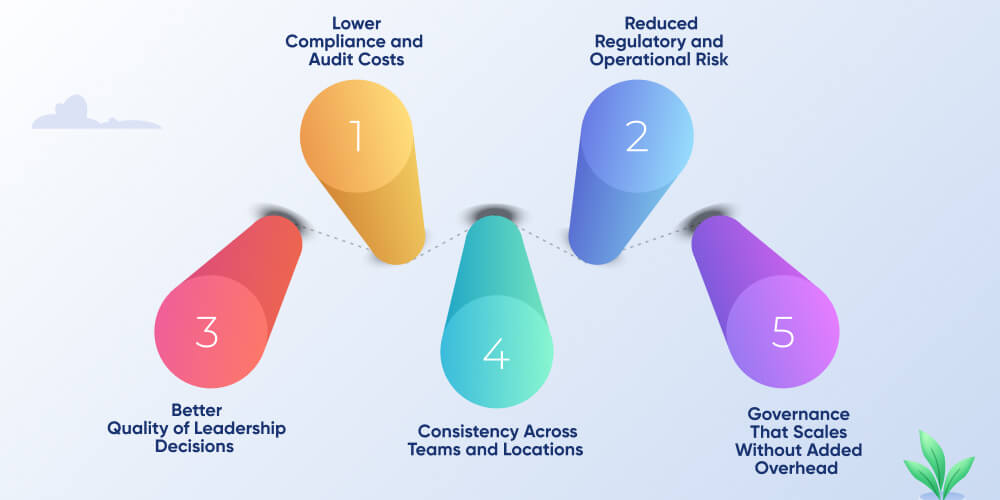
When governance is embedded into systems, tangible business benefits follow. These outcomes matter directly to leadership because they influence cost control, scalability, and long-term resilience.
Lower Compliance and Audit Costs
Automated documentation and structured audit trails reduce the time and external support required for audits. Teams no longer prepare from scratch for each cycle. Reviews become faster, less disruptive, and easier to manage within existing budgets.
Reduced Regulatory and Operational Risk
Standardized approvals and controlled workflows minimize the risk of missed steps or unauthorized changes. Issues are flagged early, allowing corrective action before they turn into penalties, delays, or reputational concerns.
Better Quality of Leadership Decisions
Real-time visibility replaces delayed, manually compiled reports. Executives gain access to accurate operational data when it matters most, enabling informed decisions grounded in current risk and performance indicators.
Consistency Across Teams and Locations
Defined processes ensure the same rules apply everywhere, regardless of team size or geography. This consistency reduces dependency on individual practices and supports predictable outcomes as the organization grows.
Governance That Scales Without Added Overhead
As volumes increase, controls expand naturally within the system. There is no need to add layers of manual checks or administrative staff. Governance grows with the business, not against it.
Want Better Visibility Into Compliance Performance?
Gain executive-level insight into approvals, controls, and risk indicators through intelligent insurance agency management platforms.
Executive Visibility and Control for Better Decision-Making
For senior leaders, visibility is not about having more reports. It is about having the right insight at the right time. Modern management platforms are designed with this expectation in mind. The dashboard displays essential metrics, policy effectiveness, and workflow operations through a single display. The process produces immediate results without the need to create special reports.
The process enables organizations to discover potential risks during the initial stages of development. The system reveals three specific issues which include approval setbacks, abnormal behavior and process breakdowns.
The process of clarifying information leads to better results in forecasting and planning activities. The organization bases its decisions about expansion and process modifications and investment choices on existing business activities. The system enables organizations to achieve controlled operations which organizations can maintain after they establish their control.
Why Choose DITS For Insurance Agency Management Software
Choosing the right technology partner is as important as choosing the right platform. At DITS, our focus goes beyond delivering software. The objective is to help insurance businesses build control, resilience, and long-term operational confidence.
DITS brings a deep understanding of insurance workflows, regulatory pressures, and leadership expectations. Solutions are not built from templates. They are shaped around real operational needs, compliance goals, and growth plans through custom insurance software development that fits how your teams actually work.
A key differentiator is how we embed intelligence into delivery. At DITS, we use AI across software development, quality assurance, code maintenance, and customization. This ensures higher code quality, faster issue detection, and systems that adapt as business needs evolve, without the need to rework.
From early strategy discussions to implementation and ongoing support, the approach remains consistent. Build systems that strengthen governance today and remain dependable tomorrow.
Conclusion
Strong compliance frameworks do more than satisfy regulators. They create stability, trust, and momentum across the business. When controls are clear and embedded into daily operations, teams work with confidence, leaders make decisions faster, and growth plans move forward without unnecessary friction.
This is where the right insurance agency management software company makes a lasting difference. Not by adding layers of process, but by simplifying how governance, data, and accountability come together. When systems are designed for visibility and consistency, resilience follows naturally.
For insurance executives planning long-term digital transformation, the takeaway is simple. Invest in platforms that strengthen control while supporting growth. Get compliance right, and the business earns something far more valuable than approval. It earns trust, internally and externally, and that trust compounds over time.
FAQs
How does insurance agency management software improve compliance control?
It centralizes policies, claims, approvals, and documentation into a single system. This reduces manual handling, ensures consistent workflows, and creates clear audit trails, making compliance easier to monitor and enforce across the organization.
Can DITS customize software based on specific insurance operations?
Yes, through custom insurance software development, DITS builds solutions aligned with your internal workflows, regulatory needs, and growth objectives. The focus is on fitting the software to your business, not forcing your teams to adapt to rigid systems.
How does this software support executive-level decision-making?
Leadership gains access to real-time dashboards and reports covering compliance status, operational risk, and performance metrics. This visibility allows faster, more confident decisions based on current data rather than delayed reports.
Does DITS offer support beyond software development?
DITS provides end-to-end support, including IT consulting services, implementation, and ongoing optimization. The goal is to ensure the platform continues to support governance, control, and scalability as business needs evolve.
Is this type of software suitable for growing or multi-location insurance businesses?
Absolutely, centralized governance, standardized processes, and controlled access make it easier to maintain consistency across teams, branches, and regions without adding administrative overhead.

Dinesh Thakur
21+ years of IT software development experience in different domains like Business Automation, Healthcare, Retail, Workflow automation, Transportation and logistics, Compliance, Risk Mitigation, POS, etc. Hands-on experience in dealing with overseas clients and providing them with an apt solution to their business needs.
Recent Posts
Automated document processing helps reduce cargo insurance claim delays by streamlining document handling, validation, and claims workflows.
Automated document processing helps reduce cargo insurance claim delays by streamlining document handling, validation, and claims workflows.
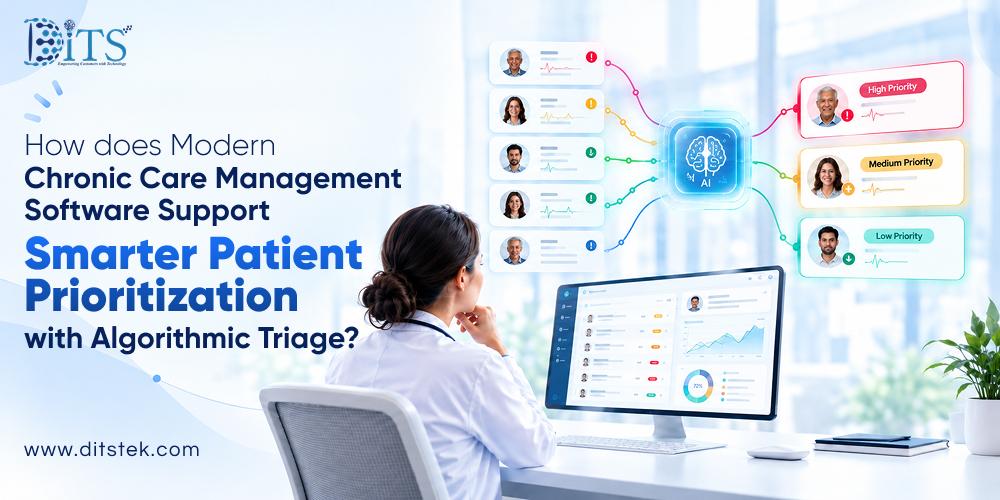
Discover how chronic care management software uses algorithmic triage to identify patient risk, prioritize care, and improve care team efficiency.