
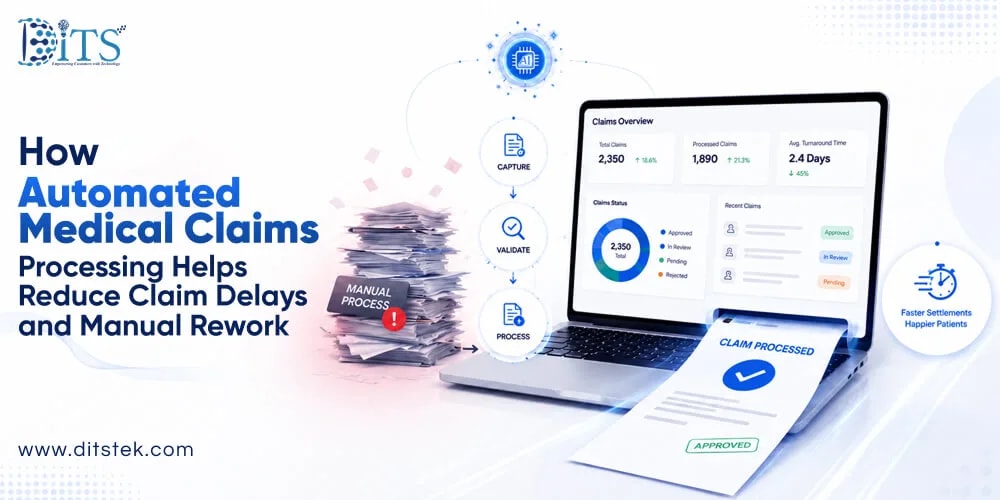
How Automated Medical Claims Processing Helps Reduce Claim Delays
Discover how automated medical claims processing reduces delays, manual rework, claim denials, and administrative costs while improving reimbursement speed and operational efficiency.

Perspectives and practical insights to help organizations navigate transformation, make smarter technology decisions, and turn complexity into meaningful outcomes.

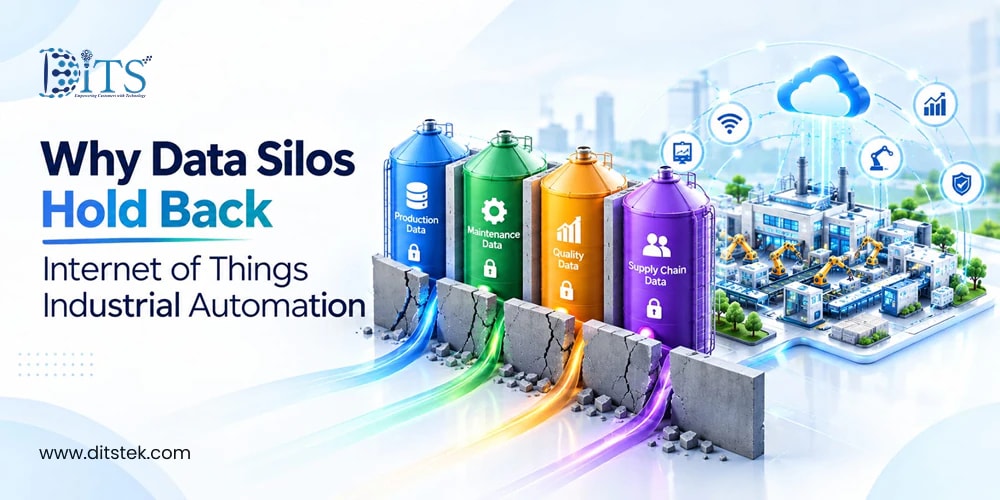
Discover how data silos limit IoT industrial automation by disrupting data sharing, reducing visibility, and slowing real-time decision-making across operations.

Have you ever wondered how does smart parking system work? This blog explains the working of smart city parking solutions, and how it helps drivers, and parking facilities find and manage parking spaces.

Explore the security and compliance risks of outdated legacy systems, including vulnerabilities, data breaches, regulatory issues, and costly disruptions.

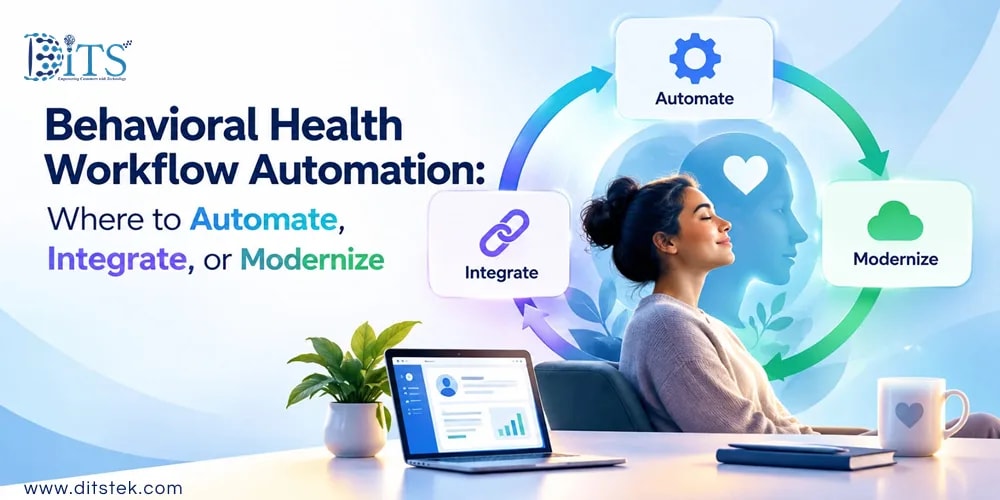
Discover how behavioral health workflow automation helps organizations reduce operational friction, improve patient access, strengthen revenue performance, integrate systems, and scale more effectively.

Explore how medical billing services reduce claim denials, prevent revenue leakage, improve collections, and strengthen revenue cycle performance through more connected billing workflows at scale.

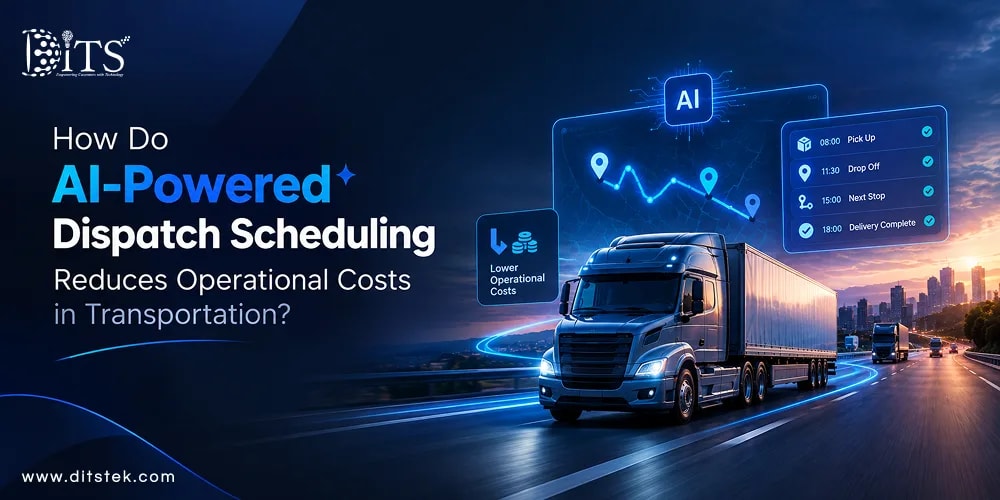
AI-powered dispatch scheduling reduces transportation costs by optimizing routes, vehicle utilization, driver schedules, and delivery operations for greater efficiency.

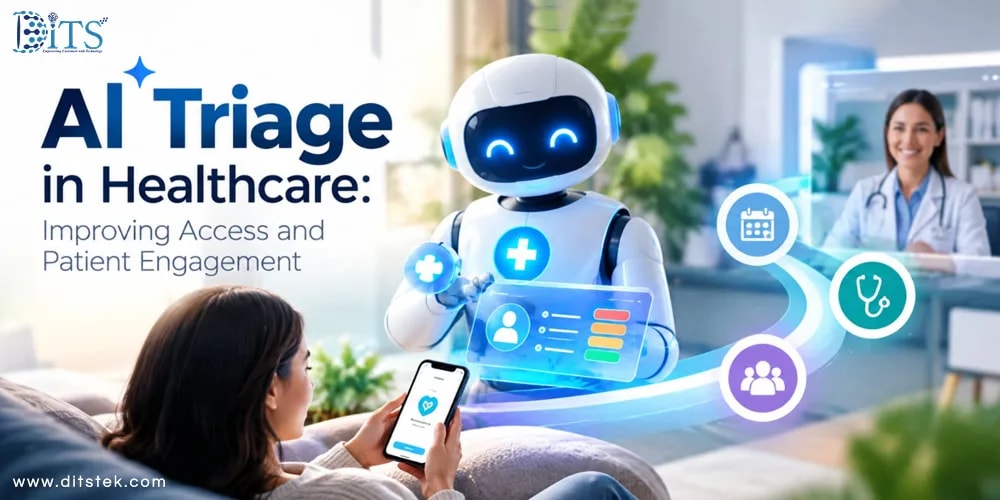
AI triage in healthcare helps prioritize patients, improve access, streamline care decisions, and enhance patient engagement with smarter workflows.

Automated document processing helps reduce cargo insurance claim delays by streamlining document handling, validation, and claims workflows.

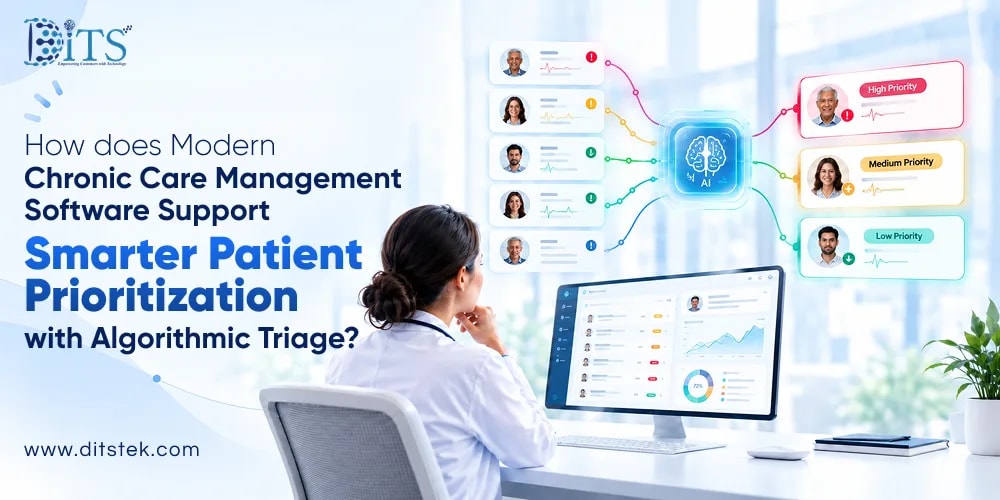
Discover how chronic care management software uses algorithmic triage to identify patient risk, prioritize care, and improve care team efficiency.