

AI is Introduced Too Early
Strengthen integrations, data flows, and workflow rules first, then introduce AI or agentic capabilities around clear operational use cases.

We help logistics businesses move their digital transformation forward through system modernization, connected platforms, workflow automation, better data foundations, and AI-enabled capabilities. DITS deliver business value and outcomes with the advanced technology build & integration in businesses. We build, grow, and stay with businesses to scale and evolve products continuously.
Discuss Your Logistics ChallengesOur credibility is shaped not only by what we deliver, but by the businesses that continue to grow, evolve, and build with us.

Helping logistics businesses modernize platforms, connect systems, automate workflows, and build more efficient digital operations.
As logistics operations grow, technology becomes harder to manage. More customers, warehouses, carriers, integrations, and data sources create dependencies across the operation. We help businesses simplify operations and prepare their technology environment for value generation.
Strengthen integrations, data flows, and workflow rules first, then introduce AI or agentic capabilities around clear operational use cases.
Logistics technology solutions to connect OMS, WMS, TMS, ERP, fleet, carrier, and customer-facing systems so information moves more consistently across the workflow.
Improve data access and visibility so tracking, telematics, shipment, and operational signals can support faster decisions.
We work across logistics technology consulting by incorporating product engineering, system modernization, integration, cloud, data, IoT, and AI. DITS focuses on logistics businesses to solve operational challenges and build technology environments that are easier to manage, connect, and scale.
Our engineers evolve transportation platforms across shipment planning, carrier workflows, dispatch, tracking, exception handling, billing, settlement, reporting, and operational performance management.
Connect vehicles, drivers, telematics, routing, assignments, maintenance information, alerts, and dispatch workflows to support more informed fleet and transportation operations.
DITS consult, build and integrate workflows for inventory, receiving, picking, packing, fulfillment, docks, yards, labor coordination, returns, and warehouse visibility.
Support routing, dispatching, driver applications, live ETA, proof of delivery, customer notifications, delivery exceptions, and reverse-logistics workflows across distributed operations with Ditstek Innovations.
Create control-tower and visibility environments around shipment milestones, multi-carrier tracking, ETA information, exceptions, alerts, dashboards, and customer or partner access.
Connect invoice processing, rate validation, reconciliation, carrier settlement, claims, documentation, and financial workflows across transportation operations.
Our developers and business consultants help businesses with data pipelines, dashboards, analytical platforms, and logistics operational intelligence around shipment, fleet, warehouse, cost, carrier, and customer information.
Build, modernize, and scale TMS, WMS, fleet, visibility, brokerage, last-mile, and other logistics SaaS platforms around evolving product and enterprise requirements.
Choosing the next technology investment can be difficult when several systems, workflows, and priorities are competing for attention. We work with businesses to evaluate the current environment, identify the highest-value opportunities, and define a practical path from assessment through implementation.
Plan Your TransformationDITS helped modernize customs clearance operations for freight forwarders by combining OCR, centralized document workflows, role-based automation, real-time visibility, and cloud deployment. The platform reduced manual data entry, accelerated clearance cycles, strengthened compliance, and created a more scalable foundation for cross-border trade operations.
Explore the Impact Story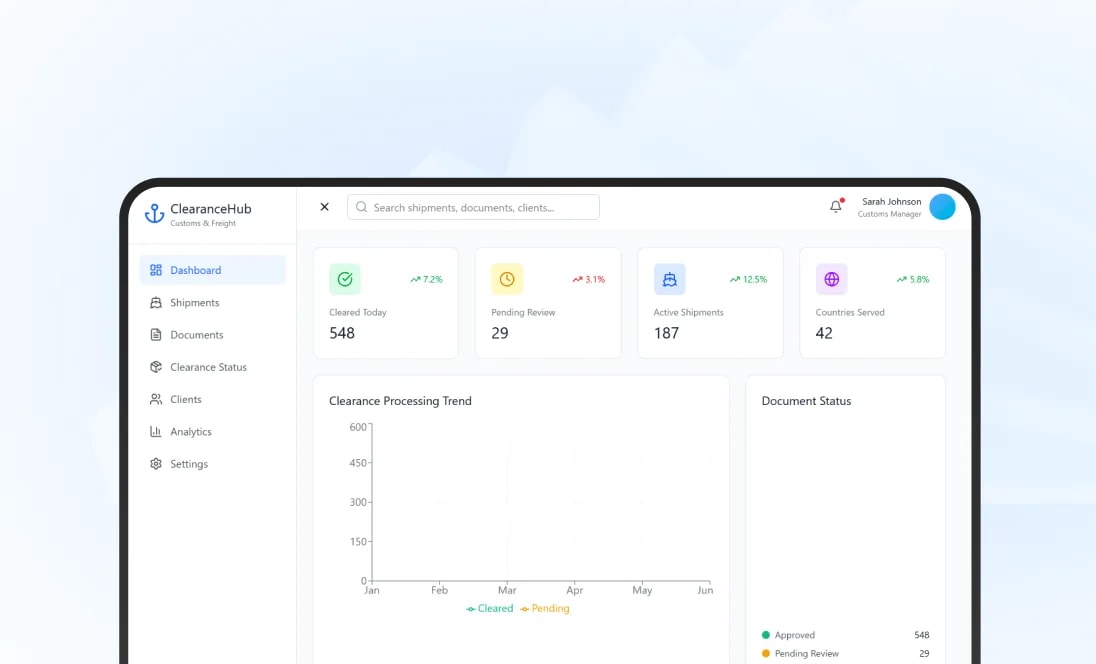
DITS helped transform a legacy tracking platform into a scalable, cloud-native IoT ecosystem for real-time asset, fleet, and device management. By combining GPS tracking, telemetry, video intelligence, remote device control, integrations, and automated deployment, the platform improved operational visibility, accelerated releases, and created a stronger foundation for global scale.
Explore the Impact Story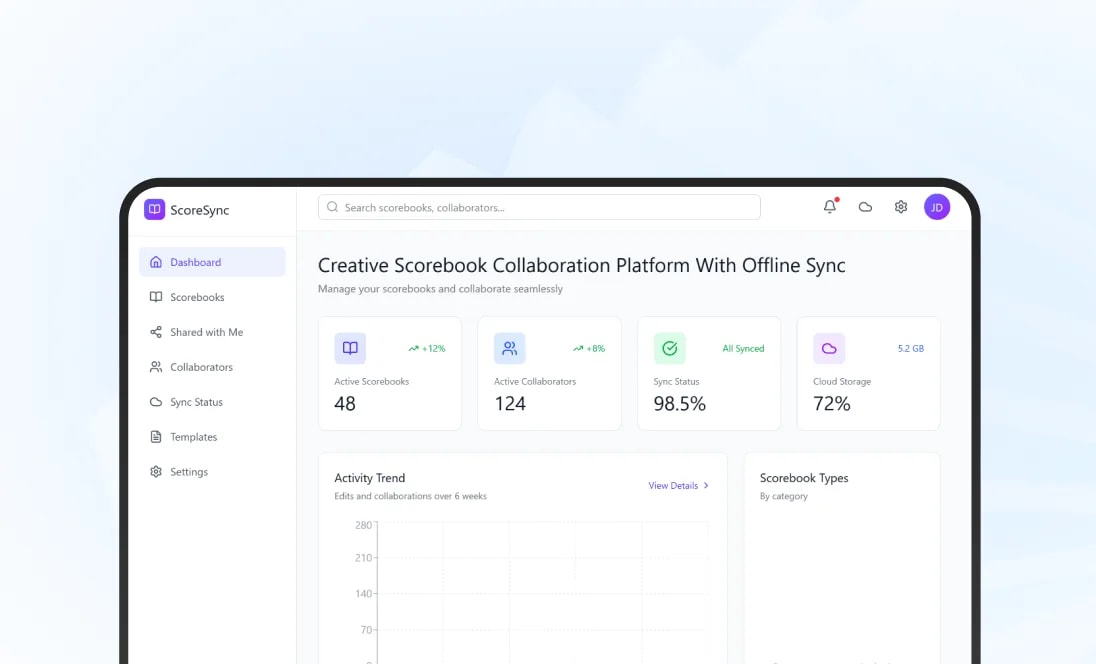
Our connected logistics solutions span systems and workflows that move orders, inventory, freight, vehicles, and operational data across the business. We combine product engineering, AI, and agentic capabilities to help logistics teams improve visibility, coordination, and control.
Unified systems for managing customers, orders, inventory, shipments, warehouses, carriers, and billing across multiple accounts, with AI-assisted exception prioritization and operational decision support where relevant.
Configurable workflows, permissions, pricing rules, SLAs, and operating processes for different customers, with agentic workflows for repeatable coordination, follow-ups, and escalation tasks.
Systems for storage, handling, transportation, accessorial charges, invoicing, and account reconciliation, supported by AI-assisted charge validation and anomaly identification.
Connected workflows that keep orders, warehouse activity, transportation, billing, and customer updates synchronized, including modernization of point-to-point or legacy integrations where needed.
Central views of orders, inventory, shipments, exceptions, and customer activity, with AI-assisted identification and prioritization of operational exceptions.
TMS product engineering and modernization of existing transportation platforms for shipment planning, carrier selection, dispatch, tracking, freight execution, and settlement, with AI-assisted planning and decision support for complex workflows.
Applications for multi-stop planning, route changes, delivery windows, capacity, and operational constraints, enhanced with AI-assisted route recommendations using operational and real-time data.
Tools for carrier onboarding, rates, contracts, performance, capacity, and communication, with AI-assisted carrier evaluation and recommendation capabilities.
System for assigning loads, coordinating drivers, monitoring vehicles, and managing transportation workflows, with agentic workflows for selected routine dispatch actions and exception escalation.
Intelligent alerts and workflows for delays, missed milestones, route deviations, and other operational issues. Agentic workflows can detect an event, gather context, recommend or trigger approved actions, and escalate when human judgment is required.
Improve systems for bookings, shipments, customers, carriers, agents, documents, and milestones.
Digital tools for rate requests, quotations, booking confirmation, and customer communication, developed through product engineering around specific forwarding workflows and user roles.
Workflows for commercial documents, customs information, shipment records, and supporting documentation, using AI-assisted document extraction, classification, validation, and information matching.
Visibility across road, air, ocean, and other transportation modes through connected milestone data.
APIs and integrations connecting forwarders with carriers, customs systems, agents, customers, and internal platforms.
WMS solutions for receiving, put away, inventory, picking, packing, staging, and shipping, with AI-assisted recommendations for task prioritization, inventory movement, demand analysis and exception handling.
Systems for stock tracking across SKUs, bins, zones, facilities, and customer accounts.
Mobile, handheld, and connected applications for receiving, movement, cycle counts, picking, asset tracking, and dispatch.
Rules for assigning warehouse tasks, prioritizing work, coordinating teams, and handling exceptions, with agentic workflows that can manage defined multi-step activities and route uncertain cases to operators.
Modernization of legacy warehouse applications, architecture, interfaces, and data flows, along with integration with OMS, TMS, ERP, carriers, customer portals, and automation systems.
Platforms for capturing, validating, allocating, processing, and tracking orders across fulfillment channels, with AI-assisted prioritization and exception identification.
Systems that determine where orders should be fulfilled based on stock availability, location, capacity, and business rules, with AI-assisted allocation recommendations for more complex scenarios.
Connected workflows from order release through warehouse execution and shipment confirmation, with agentic automation for routine handoffs, status updates, and exception escalation.
Integration across e-commerce platforms, marketplaces, ERP systems, warehouses, and transportation providers, including modernization of fragmented or legacy order integrations.
Dashboards and alerts for delayed orders, allocation issues, fulfillment exceptions, and shipment status.
Systems for purchase requests, supplier communication, approvals, sourcing, and procurement workflows, with AI-assisted supplier analysis, document processing, and sourcing support where appropriate.
Portals for supplier onboarding, documents, orders, performance, communication, and collaboration.
Tools for monitoring stock positions, reorder points, replenishment needs, and movement across locations.
Connected planning workflows that bring demand, supply, inventory, and operational data together. Existing planning environments can also be modernized to improve data access, integration, and scalability, while AI-assisted scenario evaluation supports planning decisions.
Intelligent workflows that detect supply chain exceptions, gather information across systems, evaluate predefined rules, recommend or perform approved actions, and escalate higher-risk decisions to people.
Applications for delivery sequences, locations, vehicle capacity, traffic, time windows, and operational constraints, supported by AI-assisted route optimization and dynamic recommendations.
Mobile products for assignments, navigation, status updates, proof of delivery, signatures, photos, and communication, with AI-assisted capture and interpretation of operational information where useful.
Customer-facing tracking with shipment status, location updates, milestones, and delivery notifications.
Automated workflows for failed deliveries, delays, address issues, missed windows, and escalation, with agentic workflows that can gather delivery context, trigger predefined actions, communicate updates, and escalate complex cases.
Intelligent workflows that can monitor GPS, telematics, geofence, shipment, and delivery events.

Logistics technology consulting starts with the operation, not the solution. We look at where challenges sit across orders, inventory, warehousing, transportation, carriers, systems, and data, then bring together the technology capabilities required to solve them across the wider logistics workflow.
We modernize TMS, WMS, OMS, freight, fulfillment, and other logistics platforms that have become difficult to scale or change. Depending on the environment, this can include refactoring legacy applications, modernizing databases and interfaces, introducing modular services, improving APIs, and moving suitable workloads to modern cloud infrastructure.
We build logistics products around real transportation, warehouse, order, fleet, and customer workflows. This can include multi-tenant logistics platforms, driver and warehouse apps, customer and carrier portals, tracking systems, workflow engines, and operational dashboards, with integrations and data architecture designed into the product from the start.
We connect OMS, WMS, TMS, ERP, fleet systems, carrier platforms, marketplaces, portals, and third-party services into coordinated workflows. Our implementations can use APIs, webhooks, EDI, event-driven services, message queues, and integration layers to keep orders, inventory, shipment status, and exceptions moving between systems.
We modernize the infrastructure and data foundation behind growing logistics operations. This can include cloud migration, containerized services, scalable infrastructure, ETL/ELT pipelines, centralized operational data, reporting layers, and data foundations for analytics, automation, and AI.
We connect GPS, telematics, RFID, barcode systems, geofencing, sensors, and asset data with logistics applications and workflows. These signals can feed tracking dashboards, alerts, exception workflows, maintenance processes, and operational analytics so teams can act on what is happening across fleets, warehouses, shipments, and assets.
We automate repetitive work across dispatch, fulfillment, documentation, billing, approvals, shipment updates, and exception handling. Implementations can combine workflow engines, APIs, rules, EDI, document processing, and system integrations to move routine work between people and platforms with less manual coordination.
We apply AI to logistics tasks such as document extraction, ETA and demand prediction, anomaly detection, classification, operational search, and decision support using ML models, LLMs, OCR, and enterprise data. For multi-step work, Agentic AI can connect to TMS, WMS, OMS, ERP, and other systems through APIs and orchestration layers to gather context, apply rules, trigger approved actions, and escalate exceptions for human review.
Before investing in new logistics technology, assess your current platforms, integrations, workflows, and operational priorities to understand where modernization, automation, AI, or product development should begin.
Start With an AssessmentTransforming logistics operations requires more than introducing a new platform or automating a few workflows. Our consulting-led approach in creating logistics technology solutions helps teams understand how systems, people, data, and operational dependencies work together before deciding where change will create the most value.
Map the current logistics environment across orders, warehousing, transportation, fulfillment, partners, and data flows to identify operational gaps and technology constraints.
Find the areas where disconnected systems, manual work, limited visibility, or legacy technology are creating the greatest friction.
Shape the solution around business priorities, workflow requirements, integration needs, architecture, risks, and expected outcomes.
Build or modernize the solution in practical stages, incorporating feedback from operations, technology teams, and end users throughout the process.
Integrate OMS, WMS, TMS, ERP, carrier platforms, fleet systems, customer portals, and external data sources into connected workflows.
Validate the solution against real scenarios such as order movement, warehouse activity, shipment events, carrier updates, and exception handling.
Introduce the solution in controlled phases, giving teams the training, visibility, and support required to transition without disrupting daily operations.
Monitor performance, changing workflows, new integrations, and emerging automation or AI opportunities so the technology continues to support the business as it grows.
Frontend Technologies
Across our logistics and supply chain work, we have seen that transformation is rarely about replacing one system with another. It is about improving how orders, warehouses, transportation, carriers, data, and operational teams work together. DITS combines consulting and engineering so each decision is grounded in how the operation actually runs, from day-to-day execution to longer-term growth.
We start with the business priority. That may be improving fulfillment, reducing manual coordination, modernizing a legacy platform, increasing shipment visibility, connecting OMS/WMS/TMS workflows, or preparing selected processes for AI. Understanding the operating model first helps determine where technology can create the most practical value.
Logistics workflows often cross multiple teams, systems, partners, and locations. We look at how orders move, how inventory is handled, how transportation is planned, how carriers exchange information, and how exceptions are managed. This helps identify where delays, duplicate work, disconnected data, and operational gaps are being created.
A transformation plan only matters if it improves the way the business operates. DITS connects discovery, architecture, modernization, product engineering, integration, cloud, data, automation, and AI so the original business objective stays visible throughout implementation.
A logistics environment may include OMS, WMS, TMS, ERP, fleet applications, carrier platforms, customer portals, tracking tools, telematics, and third-party services. We consider the wider ecosystem when making changes so an improvement in one area does not introduce new dependencies or friction elsewhere.
Many logistics problems begin at the handoffs between systems. We consider APIs, carrier connections, ERP integrations, event flows, tracking feeds, telematics data, and partner dependencies early in the process so information can move more reliably across the operation.
When a new workflow, modernization initiative, automation use case, or AI capability carries uncertainty, we can validate the direction through assessments, prototypes, pilots, or controlled rollouts. This helps teams test feasibility, workflow fit, integration requirements, and operational impact before expanding the change.
As logistics platforms grow, they need clearer controls around system boundaries, access, events, data ownership, integrations, exception handling, and traceability. We bring these considerations into architecture and engineering so the environment remains easier to manage as more customers, locations, carriers, and capabilities are added.
The work stays connected to the reason the initiative began. That may mean reducing manual handoffs, improving visibility, connecting fulfillment and transportation, making exception handling faster, modernizing critical systems, or creating the foundation for more intelligent automation.
Logistics operations keep changing as new customers, carriers, warehouses, integrations, and service models are introduced. We help organizations continue improving platforms, workflows, integrations, data environments, automation, and AI capabilities so the technology can evolve alongside the operation.
““Ditstek Innovations delivered an app with a strong focus on performance, scalability, and reliability, meeting all functional and technical requirements. The team showcased a well-organized, proactive, and transparent approach, delivered everything on time, and followed agile methodologies. "”
-LIONEL HAGEGE
““They are great about keeping to a timeline while being agile and making changes as our needs change. They were able to include several add ons and changes with little effect to the total scope of work. They were very organized and attentive to our needs. They kept great communication throughout the project and were able to meet based on my desired time zone preferences.“”
-Matthew Gardner
““We were expecting to need to reiterate points or carefully explain the vision and branding. Ditstek is shockingly good at immediately understanding what you're trying to express - even when you mention small details in passing - and then bringing that to life. We didn't have a single moment where we felt unheard or misunderstood.””
-Under NDA
““We partnered with Ditstek Innovations to build a marketing-focused website for our company, Workhub, a commercial real estate and virtual office solutions provider. From the initial discussions, they clearly understood our goals and translated them into a clean, modern website that effectively represents our brand. The site integrates Stripe Checkout for purchasing virtual office plans and connects seamlessly with our CRM, Nexudus. Communication throughout the project was excellent, timelines were met, and everything was delivered very smoothly and efficiently.””
-Alex Stein
““Our overall experience with the vendor has been outstanding. From the outset, they demonstrated professionalism and expertise in UX design, front-end and back-end development, and QA. Despite initial skepticism about outsourcing, their structured approach quickly earned our trust. Daily check-in meetings and detailed progress updates from each team member ensured transparency and effective communication. Their commitment to quality and delivering value for money has exceeded our expectations, enabling us to provide a high-quality solution to our client in the mining sector.””
-Dirk Kok
““Working with Ditstek Innovations has been a pivotal experience for Ahoy Booking Solutions. From the initial consultation to ongoing development, their team demonstrated a profound commitment to understanding our business needs and delivering a product that not only meets but exceeds expectations. The project involved developing a comprehensive booking and management platform that integrates seamlessly with various operational functions of businesses we serve.””
-Andrew Adrian
Logistics transformation may mean modernizing existing platforms, connecting fragmented systems, automating workflows, improving visibility, or introducing AI into the right operational areas. Whatever direction you take, DITS supports your team with practical guidance and hands-on engineering, so each step builds on the last.
Discuss Your Priority


