DITS Logo
Connect With Us

Intelligent 3PL Operations for Connected Logistics Execution and Growth

Modern 3PL management requires transportation, warehousing, customer commitments, workforce capacity and operational data to work as one connected environment. DITS helps logistics providers modernize fragmented systems, engineer better operational products, improve real-time visibility and introduce governed AI and agentic workflows that support scalable, responsive execution.

Assess Your 3PL Operations

Where 3PL Operations Lose Visibility, Speed and Margin

Third-party logistics providers coordinate customers, carriers, warehouses, systems, employees and service commitments continuously. When workflows and information remain fragmented, teams spend more effort managing coordination and exceptions while service, scalability and margin become harder to protect.

  • Fragmented Transportation Execution

    Load planning, tendering, dispatch, carrier communication, route changes, milestones and proof of delivery often span multiple systems. Operations teams spend time reconciling information instead of managing transportation performance.

  • Disconnected Warehouse Operations

    Receiving, inventory, picking, packing, shipping and dock activities can operate independently from transportation commitments. These silos create avoidable delays, inventory discrepancies and additional coordination between warehouse and transport teams.

  • Reactive Exception Management

    Late pickups, appointment changes, missing inventory, carrier delays, damaged goods and incomplete documents demand frequent intervention. Without structured prioritization, teams struggle to determine which exceptions threaten the greatest customer or financial impact.

  • Limited Shipment Visibility

    Shipment events may arrive through GPS feeds, carrier portals, EDI messages, customer systems, emails and manual updates. Inconsistent data makes dependable real-time transportation visibility difficult to achieve.

  • Rising Customer SLA Pressure

    Customers expect accurate milestones, proactive updates, reliable fulfillment, responsive issue resolution and measurable service performance. Fragmented information makes it difficult to identify threatened commitments before they escalate.

  • Workforce Capacity Constraints

    Warehouse demand, labor availability, shift coverage, productivity, peak volumes and unplanned absences affect operational capacity. Limited workforce intelligence makes proactive resource allocation harder across sites.

  • Complex Enterprise Integrations

    Customer ERP and order environments must connect with TMS, WMS, carriers, tracking platforms, portals and financial applications. Inconsistent 3PL integration creates duplicate entry, delayed events and costly onboarding.

  • Hidden Operational Margin Leakage

    Rework, excess handling, detention, labor overruns, service penalties, failed deliveries and repeated manual intervention can erode account economics without appearing clearly in traditional operational reporting.

  • Multi-Site Operating Variation

    Acquisitions, regional systems, customer-specific workflows and different facility practices create inconsistency across networks. Operators need enterprise standards without removing flexibility required for local execution.

IoT Asset Intelligence and Fleet Visibility

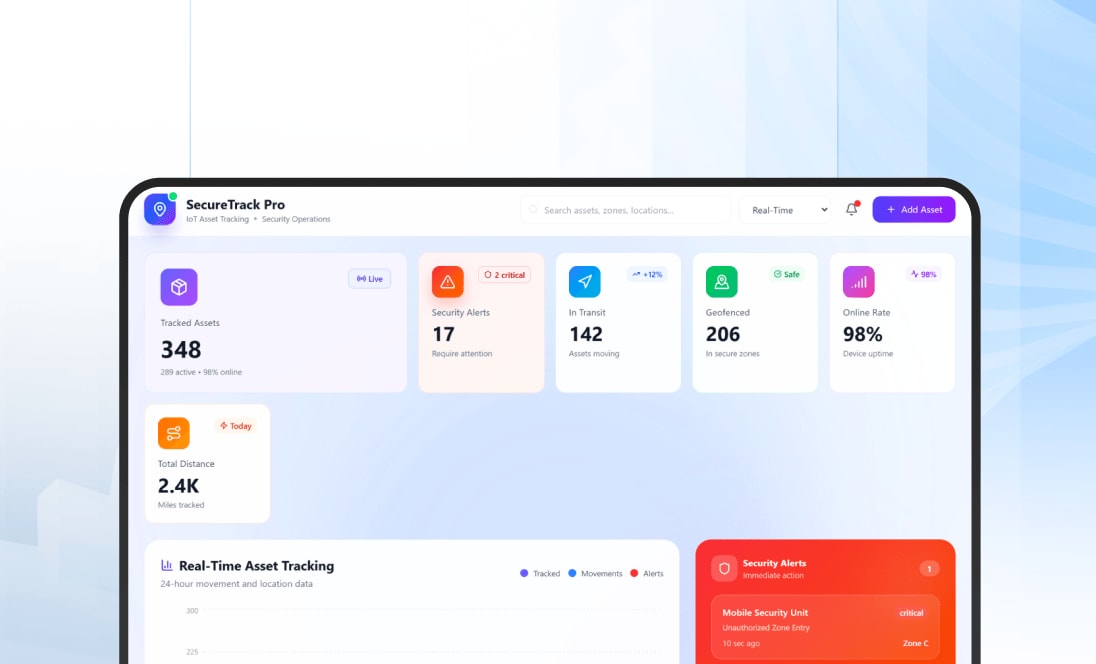
DITS modernized a SaaS IoT platform connecting GPS devices, telemetry, sensors, alerts, geofencing, field workflows and operational dashboards. The platform supports fleet and asset visibility while demonstrating relevant experience in connected logistics products and event-driven operational environments.

View Portfolio
SaaS IoT Tracking GPS Asset Management

Logistics Documentation and Multi-Company Workflows

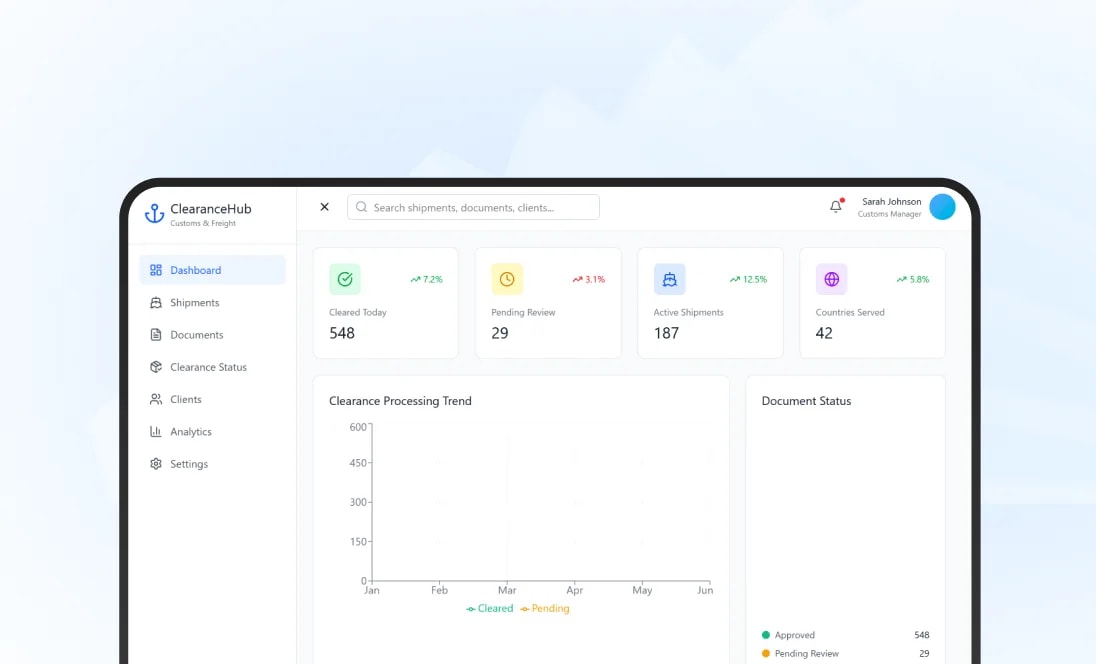
DITS developed a SaaS logistics platform centralizing order management, customs documentation, data enrichment, configurable workflows, role-based access and multi-company operations. The engagement demonstrates relevant capability for document-intensive logistics workflows and enterprise customer environments.

Explore Portfolio
Customs Document Clearance Software for Freight Forwarders

Distributed Operations and Workforce Coordination

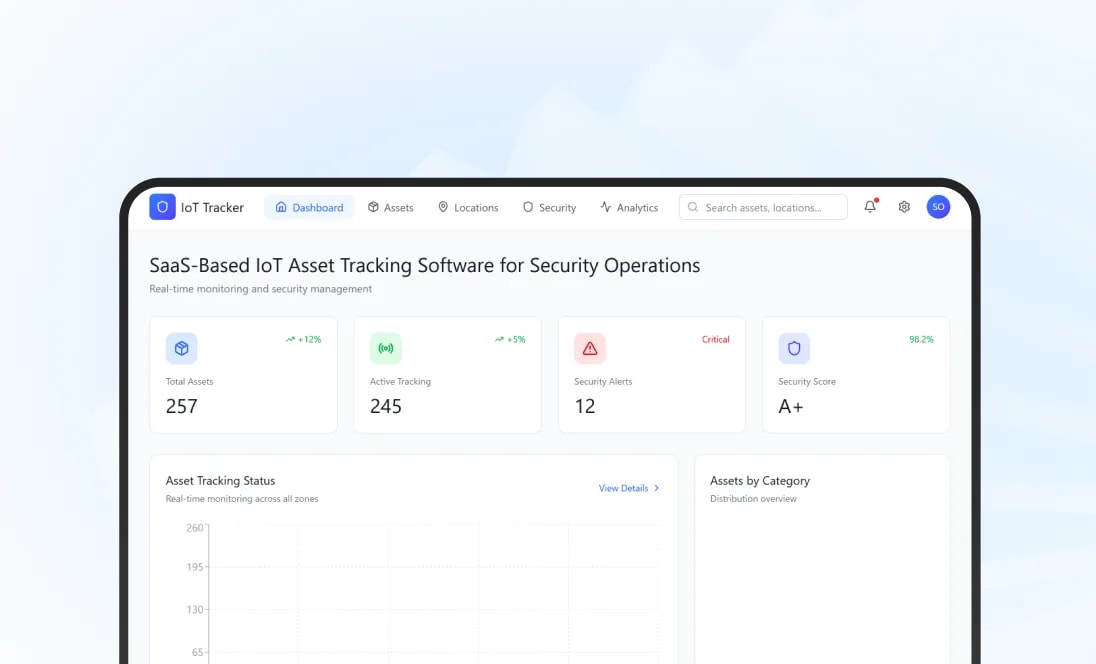
DITS transformed a multi-tenant field-operations platform spanning workforce scheduling, field execution, exception handling, reporting, billing-related workflows and offline operations. Although its operating context is security services, the architectural and workflow patterns are relevant to distributed logistics execution.

View Portfolio
SaaS IoT Asset Tracking for Security Operations

Make 3PL Transformation Decisions Around Operational Value

Technology investment should begin with the operating constraint, not a predetermined TMS replacement, product build or AI initiative. DITS assesses execution journeys, systems, users, data and business priorities before choosing the most appropriate intervention.

Define Operating Priorities

Determine whether margin protection, SLA performance, warehouse throughput, customer visibility, labor productivity, exception volumes, integration complexity or growth capacity creates the strongest case for change.

Map Execution Journeys

Trace order intake, planning, tendering, warehouse execution, dispatch, delivery, exception resolution, documentation, customer communication and financial handoffs to expose where information or responsibility breaks.

Identify Root Constraints

Separate symptoms from causes by investigating process variation, repeated entry, integration latency, rigid configurations, missing context, approval bottlenecks and customer-specific workarounds.

Assess Technology Readiness

Review TMS, WMS, ERP, OMS, APIs, integrations, operational data, infrastructure, security, observability and AI readiness before deciding which technologies should evolve.

Protect Existing Value

Preserve proven routing rules, warehouse logic, customer configurations, integrations, workflows, historical information and operational knowledge that continue to create value.

Compare Intervention Options

Evaluate process redesign, integration, platform extension, legacy modernization, product engineering, automation, data improvement, AI, agentic workflows, selective replacement or combinations of these approaches.

Validate Before Scaling

Test critical workflows, integrations, products, AI use cases and operational assumptions within a controlled customer, facility, lane or process before expanding investment.

Measure Business Value

Connect transformation to measurable changes in service levels, exception resolution, throughput, labor productivity, inventory accuracy, operating cost, customer experience and technology reliability.

Find the Constraints Holding Back 3PL Performance

Identify where fragmented workflows, recurring exceptions or technology limitations create the largest operational and commercial impact before committing investment to a wider transformation program.

Connect Transportation, Warehousing and Customer Execution End to End

Intelligent 3PL Operations require connected workflows rather than isolated systems. DITS combines integration, modernization, product engineering, automation, data and AI around the execution processes that determine service quality, operational speed, customer experience and margin.

  • Connected Transportation Planning and Execution

    Improve shipment intake, planning, carrier assignment, dispatch, routing, milestones and delivery coordination by connecting transportation management systems with the operational information teams need to act.

  • Carrier Coordination and Performance Intelligence

    Connect carrier onboarding, tendering, confirmation, appointments, tracking, exceptions and performance information so transportation teams can manage capacity and service more consistently.

  • Intelligent Warehouse Execution and Coordination

    Connect receiving, inventory, picking, packing, shipping, docks and outbound transportation so warehouse execution remains aligned with customer and delivery commitments.

  • Inventory Visibility Across Fulfillment Operations

    Create clearer visibility across receipts, locations, reservations, holds, movements, discrepancies and outbound orders to support fulfillment accuracy and better customer reporting.

  • Logistics Control Tower Products

    Engineer operational control towers that combine orders, shipments, warehouse events, carrier activity, customer commitments and exceptions into actionable digital products rather than passive dashboards.

  • Intelligent Exception Management Workflows

    Capture operational exceptions, assess urgency and impact, assign responsibility, coordinate resolution and record outcomes so teams can manage exception-heavy logistics more consistently.

  • Customer Visibility Digital Products

    Use product engineering to create or modernize portals, tracking experiences, notifications, document access, dashboards and self-service workflows around actual customer journeys and service expectations.

  • Multi-Enterprise Logistics Systems Integration

    Connect customer ERP, OMS, TMS, WMS, carrier, EDI, API, tracking and reporting environments through reusable integration patterns that reduce fragmentation.

  • Logistics Workforce Capacity Intelligence

    Connect labor demand, employee availability, workload, shifts, task assignments and performance indicators to improve capacity planning and operational resource allocation.

  • Operational Cost and Margin Intelligence

    Bring shipment, warehouse, labor, service and cost information together to identify recurring activities, exceptions and customer-specific workflows affecting profitability.

  • Customer SLA and Performance Intelligence

    Track commitments, carrier performance, warehouse execution, delivery milestones and exception trends to improve service visibility and support stronger customer performance conversations.

  • Multi-Site Logistics Operations Standardization

    Create reusable product components, integrations, workflows, data definitions and enterprise reporting while retaining the configurations individual facilities or customers genuinely require.

Modernize Legacy Logistics Systems Without Disrupting Execution

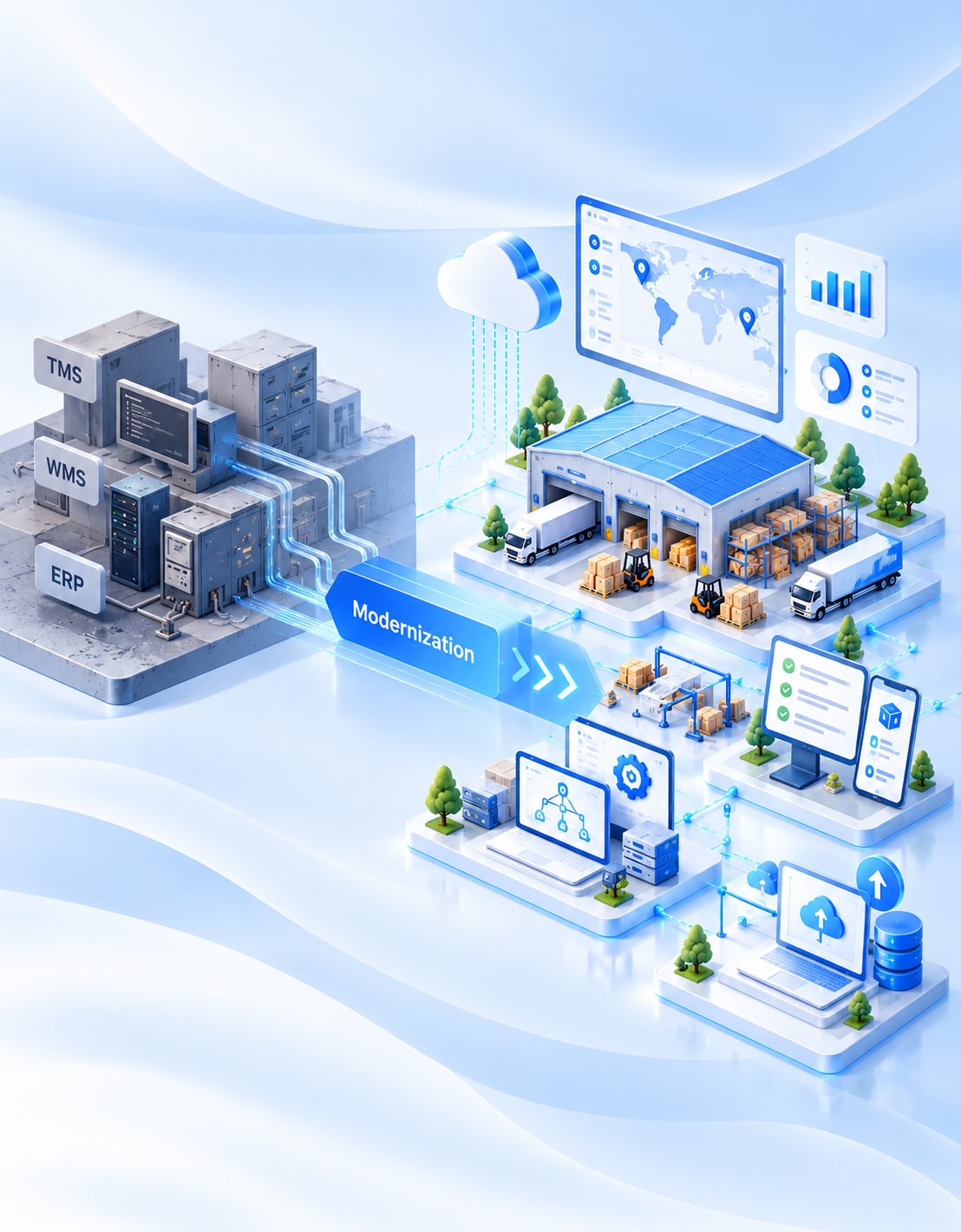
Legacy platforms often contain years of valuable customer logic and operating knowledge. DITS modernizes around business value, combining integration and product engineering with selective architecture change so critical logistics execution continues throughout transformation.

  • Stabilize Critical Transportation Platforms

    Improve reliability, maintainability, performance and integration around existing TMS environments before deciding whether deeper architectural change is justified.

  • Extend Warehouse Management Capabilities

    Improve interfaces, integrations, mobile experiences, operational workflows or reporting around existing WMS platforms without automatically replacing proven warehouse logic.

  • Modernize Integration Architecture

    Replace brittle interfaces and repeated file transfers where appropriate with APIs, event-driven patterns, messaging and reusable integration services.

  • Modernize Operational Digital Products

    Apply product engineering to customer portals, internal logistics applications, control towers, mobile tools, workflow platforms and other digital products that have become difficult to evolve.

  • Strengthen Logistics Data Foundations

    Bring order, shipment, inventory, warehouse, carrier, customer and cost information into governed structures that can support analytics, automation and AI reliably.

  • Modularize and Migrate Selectively

    Separate tightly coupled components, migrate suitable workloads and modernize product architecture where current technology constrains scalability, integration, release speed or maintainability.

  • Replace Platforms Only When Justified

    Retire or replace systems only when operating value no longer outweighs limitations, cost, risk or technical constraints and dependencies can be managed safely.

Move From Logistics Visibility to Decision and Agentic Intelligence

Connected operational data creates the foundation for more than reporting. DITS applies analytics, optimization, machine learning, generative AI and governed agents to specific logistics decisions while preserving human accountability where operational or commercial consequences matter.

  • Predictive Shipment and ETA Intelligence

    Use historical transit patterns, live shipment events, carrier behavior and available contextual information to identify potential delays and support more proactive transportation decisions.

  • Capacity and Workforce Intelligence

    Analyze order demand, warehouse activity, transportation capacity, staffing and historical throughput to support better labor planning and operational resource decisions.

  • Intelligent Exception Prioritization

    Use business rules, operational context and appropriate AI models to classify shipment, inventory, appointment and fulfillment exceptions according to urgency, customer impact and required action.

  • AI-Assisted Document Operations

    Apply document intelligence to bills of lading, proof-of-delivery records, invoices, carrier documents and customer information where extraction, classification, validation or summarization reduces repetitive work.

  • Margin and SLA Intelligence

    Connect service outcomes, handling activity, labor, transportation costs, accessorials and exception histories to surface patterns affecting contractual performance and customer economics.

  • Agentic Logistics Workflow Execution

    Deploy governed AI Agents for Logistics where multi-step work requires context, system interaction and coordination. Examples include Shipment Exception Agents, Carrier Coordination Agents, Appointment Agents, Warehouse Exception Agents and Customer Service Agents.

  • Human-Agent Control and Governance

    Define what agents may observe, recommend, execute, coordinate or escalate. Use permissions, monitoring, auditability, business rules, human checkpoints and clear ownership before expanding operational autonomy.

Prioritize the Agentic Workflows Ready for Production

Identify where workflows, integrations, permissions, data and operational ownership are mature enough to move from AI assistance toward controlled execution without increasing operational risk.

Prioritize Agentic Use Cases

Build the Digital Backbone for Intelligent 3PL Operations

Intelligent 3PL Operations depend on interoperable systems, digital products, connected devices, reliable data, secure infrastructure and governed AI. The technology foundation should support current execution while allowing logistics products and agentic capabilities to evolve progressively.

  • AI

    OpenAI · Azure OpenAI · Claude · Gemini · LLaMA · Mistral AI

  • Agentic Models & Local LLMs

    LangChain · Agent orchestration · Local / open-weight LLMs · LLaMA · Mistral AI

  • Industry Integrations

    EDI · GPS · Geotab · RFID · LoRaWAN · BLE · Telematics · MQTT

  • IoT & Connected Devices

    GPS trackers · BLE devices · IoT sensors · Asset trackers · Telematics devices · Environmental sensors

  • APIs & Integration

    REST APIs · GraphQL · Webhooks · OAuth 2.0 · JWT · Event-driven integration

  • Frontend

    React.js · Next.js · Angular · Vue.js · TypeScript

  • Mobile

    React Native · Flutter · Swift · Kotlin · Ionic

  • Backend

    Node.js · .NET · Java · Python · FastAPI

  • Data & Databases

    PostgreSQL · Microsoft SQL Server · MySQL · MongoDB · Redis · Elasticsearch

  • Data Engineering & Analytics

    Apache Kafka · Apache Spark · Snowflake · Databricks · Power BI

  • Cloud Infrastructure

    AWS · Microsoft Azure · Google Cloud Platform

  • DevOps & CI/CD

    Docker · Kubernetes · Jenkins · GitHub Actions · Terraform

  • Security & Identity

    OAuth 2.0 · OpenID Connect · JWT · Okta · Auth0

  • Messaging & Communications

    Twilio · SendGrid · WebSockets · SignalR · Firebase Cloud Messaging

  • Observability

    Prometheus · Grafana · Datadog · Splunk · Elasticsearch

  • Testing & Quality Engineering

    Selenium · Cypress · Playwright · Postman · Appium

Transform 3PL Operations Without Interrupting Customer Commitments

Operational transformation must protect live shipments, warehouse activity, customer integrations and service obligations. DITS uses staged validation and engineering so logistics products, integrations, modernization, AI and workflow changes can move into production with controlled risk.

  • Understand Logistics Operations

    Establish customers, facilities, carriers, business priorities, products, systems, users, constraints and commercial commitments that should guide transformation.

  • Map Execution Journeys

    Map how orders, inventory, shipments, information, users, systems, decisions and exceptions move across the operating environment.

  • Prioritize Business Outcomes

    Sequence transformation according to measurable business value, operational risk, dependencies, customer impact, technology readiness and implementation feasibility.

  • Validate Critical Assumptions

    Use prototypes, technical spikes, workflow pilots, product validation and controlled AI experiments to test high-risk assumptions before wider implementation.

  • Engineer Connected Products

    Apply product engineering, integration, modernization, data, automation and AI capabilities to build or evolve control towers, portals, applications, APIs, mobile experiences and internal operational platforms.

  • Adopt Operational Changes

    Support user adoption, governance, workflow transition, operational ownership, documentation and production processes required to make new capabilities part of everyday execution.

  • Measure Operational Progress

    Track agreed service, productivity, exception, cost, customer, product-adoption and technology measures against established baselines.

  • Evolve Through Evidence

    Improve products, workflows, integrations, AI agents and underlying architecture based on production evidence, changing customer needs and new operational priorities.

Why Intelligent 3PL Transformation Needs More Than Software

3PL transformation crosses operations, customer experience, digital products, legacy platforms, integrations, data, automation and AI. DITS combines consulting-led decision-making with product and engineering capabilities so technology remains connected to measurable logistics priorities.

Logistics Operations Before Technology

DITS begins with service commitments, execution constraints, exceptions, customer journeys and operating economics rather than assuming a particular software platform or architecture.

Product Engineering With Operational Context

DITS engineers and modernizes logistics products around transportation management, fleet operations, dispatch, tracking, workflow platforms, APIs and connected logistics environments.

Modernization Without Forced Replacement

Existing TMS, WMS, ERP, integrations, customer configurations and operating logic are assessed for continuing value before replacement is considered.

Integration Across Logistics Ecosystems

Our teams connect applications, APIs, customer environments, operational data, IoT devices and enterprise workflows where execution depends on information moving reliably between systems.

Agentic AI With Human Governance

DITS designs agents around workflow outcomes, system permissions, integration, business rules, monitoring and explicit human decision points rather than pursuing autonomy as the objective.

Scalable Multi-Site Architecture Thinking

Reusable integration patterns, platform components, product architecture, governed data and configuration strategies can support expansion across facilities, customers and markets.

Strategy Through Engineering Continuity

DITS can connect operating assessment, product strategy, architecture, modernization, engineering, integration, AI, adoption and continuous evolution rather than separating strategic recommendations from delivery reality.

Turn Your 3PL Priorities Into an Execution Roadmap

Bring your operating constraints, product limitations, integration challenges, modernization priorities or agentic opportunities into one transformation discussion and identify the interventions with the strongest practical value.

Build Your 3PL Roadmap

Questions Leaders Ask About Intelligent 3PL Operations

3PL management coordinates outsourced transportation, warehousing, inventory, fulfillment, customer service and related logistics activities. Effective management requires connected information, clear operational ownership, service-level visibility, exception handling and consistent coordination across customers, facilities, carriers, systems and internal teams.