

Multilingual Worker Engagement
Multilingual IVR calls, WhatsApp, WeChat, and mobile-friendly links let workers choose accessible ways to respond. Participation does not require installing a dedicated app or completing lengthy forms.
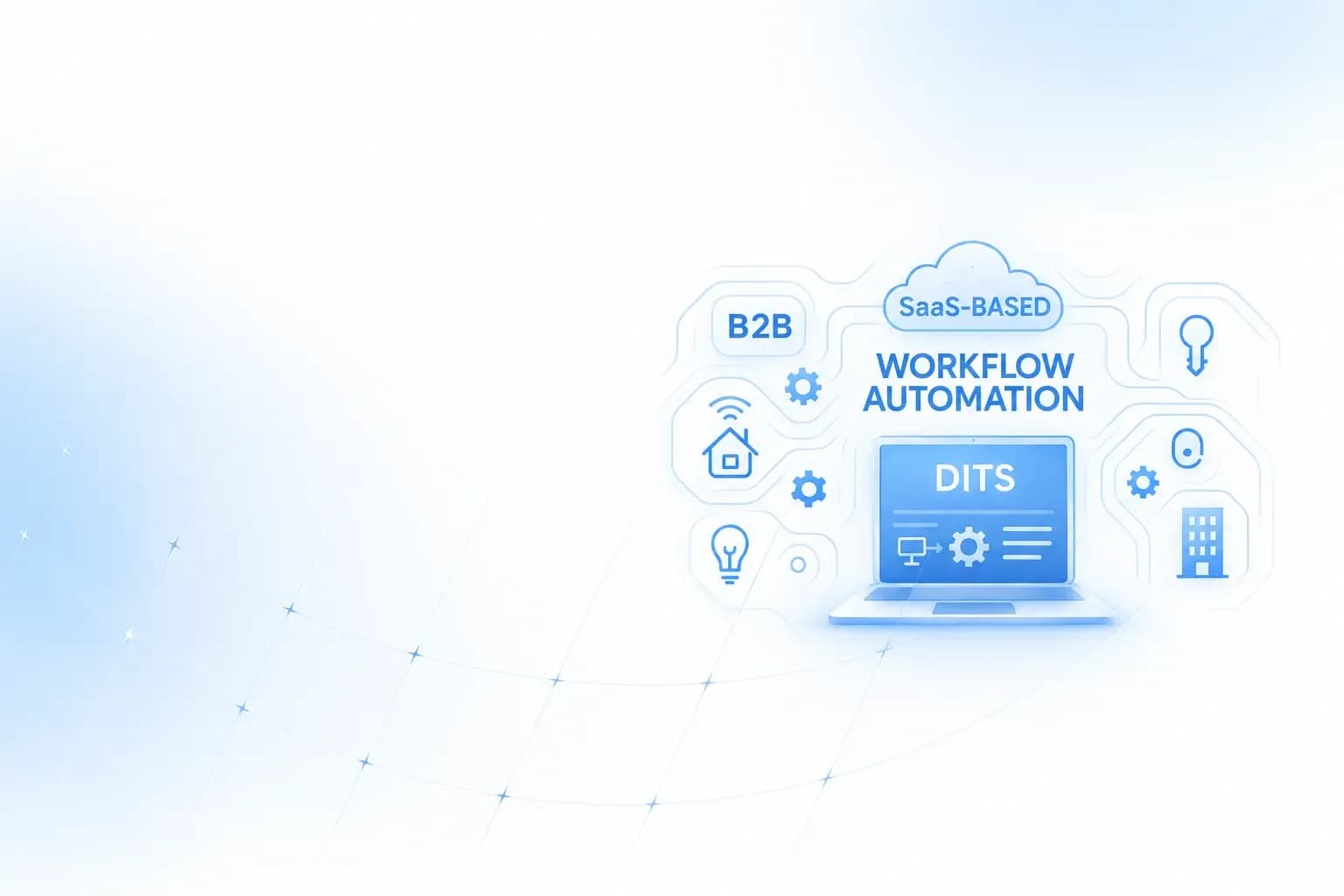
The platform connects frontline workers and businesses through accessible feedback channels. The responsible sourcing platform turns worker experiences into timely insight, traceable issue resolution, and clearer evidence for ethical supply chain decisions and compliance reporting.

The platform is a responsible sourcing and supply chain transparency platform for organizations with distributed frontline workforces. It gathers feedback from drivers, factory teams, gig workers, and other employees through multilingual IVR calls, WhatsApp, WeChat, and mobile-friendly surveys. Live dashboards help managers review sentiment, compare sites and worker groups, and track concerns through resolution. Centralized records and reporting support ESG reviews and human rights due diligence, including work aligned with International Labour Organization principles and the United Nations Guiding Principles on Business and Human Rights.
Companies operating globally with distributed or non-desk workforces faced multiple structural and communication challenges:

Workers across sites, languages, and employment arrangements had no consistent way to share experiences. Disconnected feedback channels left organizations with an incomplete view of working conditions.

Text-heavy, English-only surveys created barriers for workers with different literacy levels or limited internet access. Frontline roles also left little time for lengthy feedback processes.

Workers could hesitate to report sensitive concerns when they doubted confidentiality or feared retaliation. Low trust reduced participation and limited the usefulness of collected feedback.

Manual campaign follow-ups made it difficult to reach workers consistently. Managers lacked timely visibility into participation, emerging safety concerns, and recurring workplace issues across locations.
Reported concerns were hard to connect with responsible teams, corrective actions, and outcomes. Without a traceable process, organizations struggled to show whether problems were resolved.

Organizations needed consistent records for ESG reviews and human rights due diligence. Scattered evidence made it difficult to compare sites and prepare credible audit-ready reports.
We built a centralized platform that makes worker participation easier and gives organizations a clearer path from feedback to action. Accessible outreach, live analysis, issue tracking, and reporting support responsible sourcing decisions.

Workers can respond through multilingual IVR calls, WhatsApp, WeChat, and mobile-friendly web links. Familiar channels reduce dependence on dedicated apps and accommodate different levels of digital access.

Short questions and simple response options suit drivers, factory teams, and other frontline roles. The experience helps people contribute feedback without interrupting their work for long.

Anonymous participation offers workers a more comfortable way to raise sensitive concerns. Role-based access limits who can view feedback and related information within the organization.

Automated campaigns handle scheduling, reminders, re-engagement prompts, and participation monitoring. Administrators can spend less time coordinating outreach and more time understanding responses and acting on concerns.

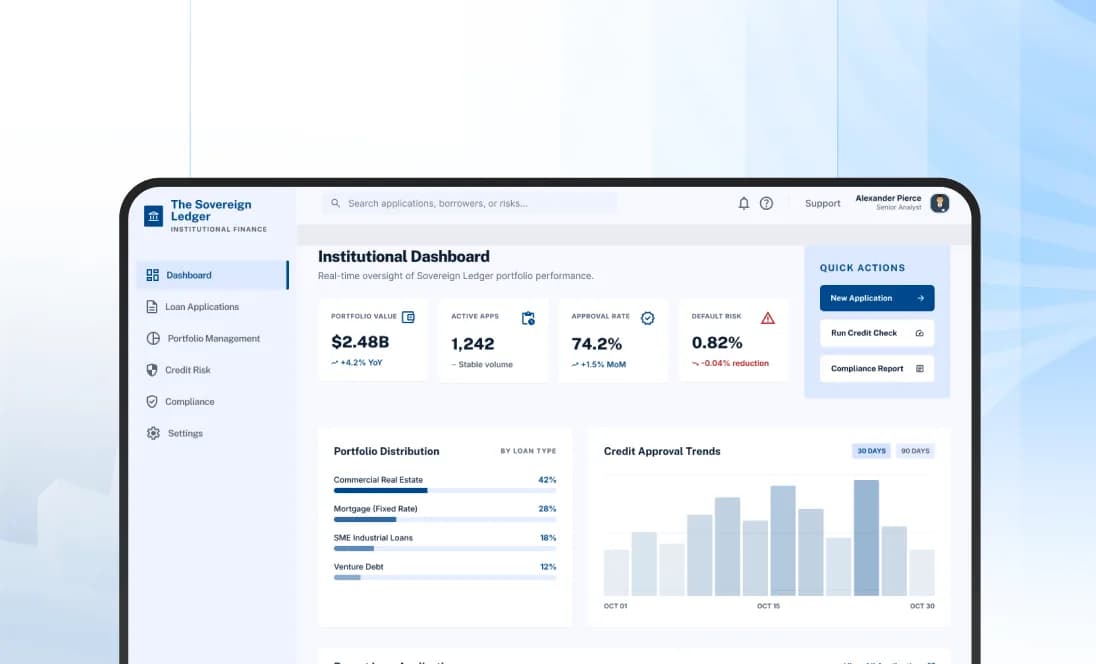
Live dashboards show worker sentiment, reported risks, and participation across sites and groups. Filters reveal patterns by location, department, age, gender, region, and job role.

Centralized issue histories connect concerns to corrective actions and resolution status. Traceable records and reports support internal reviews, investor communication, and human rights due diligence.
The platform combines inclusive worker outreach with the management tools needed to act on what workers share. These capabilities help teams monitor conditions, coordinate remediation, and maintain evidence for compliance reviews.
Multilingual IVR calls, WhatsApp, WeChat, and mobile-friendly links let workers choose accessible ways to respond. Participation does not require installing a dedicated app or completing lengthy forms.

Short micro-surveys use straightforward answers, including Yes, No, and Don’t Know. Simple interactions make feedback practical for busy drivers, factory teams, and other non-desk workers.

Anonymous feedback gives workers a channel to raise sensitive issues. Role-based access helps restrict visibility into their responses and the related compliance information held by the platform.

Campaign tools support scheduling, reminders, re-engagement, and participation tracking. Voucher-based incentives can encourage survey completion and help maintain worker involvement across repeated feedback programs over time.

Live dashboards bring together feedback, sentiment, participation, and reported risks. Managers can spot recurring concerns earlier and review progress without waiting for manually compiled updates.
Site-level comparisons and demographic filters reveal patterns across facilities, departments, age groups, genders, locations, and job roles, helping teams investigate risks hidden within overall averages.
An issue register records reported concerns, responsible stakeholders, corrective actions, communication history, and resolution status. Managers can follow each matter from report to documented outcome.
Centralized evidence and detailed audit-ready reports support ESG reviews, labour inspections, investor communication, and human rights due diligence, while helping organizations demonstrate their sourcing practices.
Workers can participate on phones, while administrators use web access across devices. The SaaS application brings responsible sourcing information and operational oversight into one environment.

Multilingual outreach and familiar communication channels contributed to a reported 70% increase in worker participation, giving organizations a broader view of conditions across their workforce.

Two-way feedback helped workers share expectations and concerns more clearly, contributing to a reported 50% improvement in engagement scores and a 30% increase in worker satisfaction.

Live dashboards and traceable issue workflows helped managers identify concerns and follow corrective actions across sites, contributing to a reported 60% faster issue resolution process.

Confidential feedback and visible handling of reported concerns strengthened the relationship between workers and management, with a reported 55% improvement in worker trust and retention.

Site and demographic analysis gave organizations a clearer picture of where labour concerns appeared, helping teams prioritize follow-up more effectively across facilities, roles, and worker groups.

Centralized communication, remediation records, and audit-ready reporting simplified ESG reviews, compliance reviews, and human rights due diligence, giving organizations clearer evidence of their responsible sourcing activities.

Discover a SaaS fintech platform on Azure that streamlines loan management, lender integration, and financing workflows, delivering instant approvals and enhanced customer experience.
View Project