With more than 20 years of experience - I represent a team of professionals that specializes in the healthcare and business and workflow automation domains. The team consists of experienced full-stack developers supported by senior system analysts who have developed multiple bespoke applications for Healthcare, Business Automation, Retail, IOT, Ed-tech domains for startups and Enterprise Level clients
Technology is an essential part of modern healthcare. Hospitals and clinics are using connected medical devices in greater numbers, from infusion pumps to ventilators, ECGs, and wearable sensors. These devices produce a vast amount of patient data every second, most of which are still unrecoverable in real time (or delayed) because systems are separated within siloed systems that don't communicate. When devices, applications, and systems are integrated, they speed time to monitor patient data, eliminate human errors, and improve clinical workflows, thus allowing better decision-making.
Medical Device Integration (MDI) software was developed to create a functional data bridge between devices and clinical systems such as Electronic Health Records (EHR). MDI software enables real-time data reception, communication, and utilization, spanning from device generation to improved patient outcomes and enhanced workflows.
In the blog that follows, we will describe how Medical Device Integration software transforms patient care by improving workflows and creating more innovative ways to provide healthcare.
Challenges Without Medical Device Integration
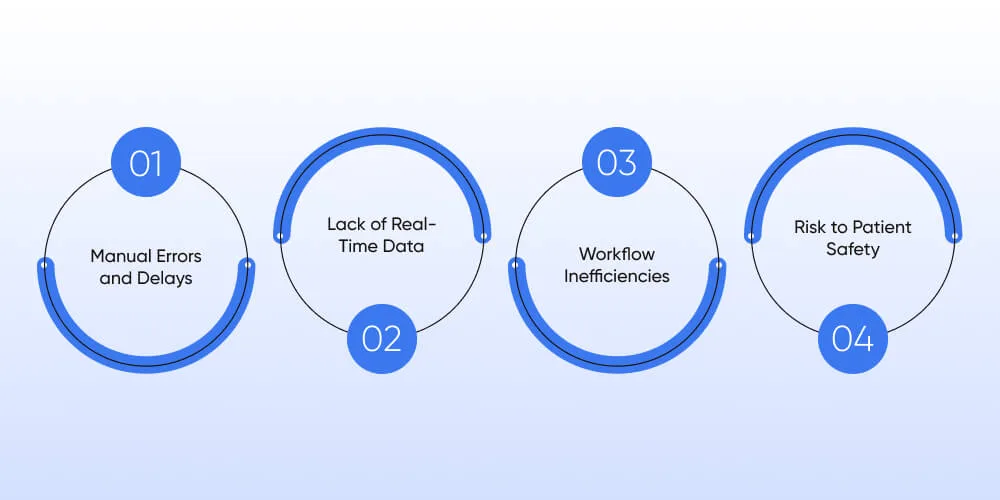
Despite the abundance of innovative medical devices in healthcare settings, many of these tools still operate in isolation, which means that devices are disconnected from central systems like Electronic Health Records (EHRs). This lack of integration leads to several serious challenges:
Manual Errors and Delays
Without automated data transfer, healthcare staff need to record readings from each device manually. This not only consumes valuable time but also increases the risk of transcription errors, which can compromise the diagnosis and treatment process.
Lack of Real-Time Data
When device data isn’t instantly available in the patient’s digital record, physicians may miss key changes in vital signs or other indicators. Delayed access to this information can hinder timely interventions in high-stakes situations in patient care.
Workflow Inefficiencies
Manually collecting and verifying data slows down routine tasks and consumes a lot of precious time. It adds to staff workload, contributes to burnout, and takes time away from direct patient care, which in turn leads to workflow inefficiencies in clinics and hospitals.
Risk to Patient Safety
Disconnected systems can lead to fragmented data and inefficient patient care. Inaccurate or missing data affects clinical decisions, discharge planning, and handoffs between departments, putting patient treatment, safety, and long-term outcomes at risk.
Struggling With Disconnected Devices and Disrupted Workflows?
Manual data entry, delayed vitals, and fragmented systems are costing you more than just time. DITS can help you eliminate errors, streamline workflows, and get real-time data where it’s needed most.
Key Ways Medical Device Integration Software Improves Patient Care
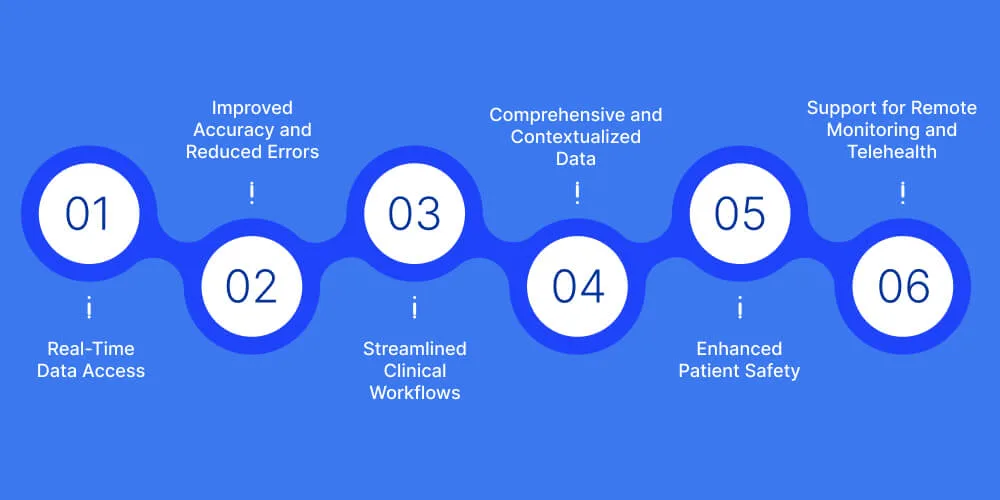
Medical Device Integration (MDI) software plays a critical role in transforming patient care and the ways healthcare facilities deliver it. From improving diagnostic accuracy to patient safety, here are the key ways medical device integration software boosts patient care:
1. Real-Time Data Access
Medical device integration software ensures that patient vitals and device-generated data are instantly available within clinical systems like Electronic Health Records (EHRs). This real-time access empowers physicians to monitor a patient’s condition continuously and make timely, informed decisions, especially during emergencies or in critical care settings.
2. Improved Accuracy and Reduced Errors
Manual data entry is prone to transcription errors, misread numbers, and delays. With MDI, data is automatically and accurately captured directly from the source devices. This reduces manual errors and improves documentation quality, ensuring that decisions are made using reliable information.
3. Streamlined Clinical Workflows
By automating data collection, MDI software reduces the administrative burden on doctors and medical staff. It minimizes redundant tasks, such as logging vitals or copying data between systems, thereby freeing up more time for direct patient care. This boosts productivity, lowers burnout, and increases overall care efficiency.
4. Comprehensive and Contextualized Data
MDI aggregates data from multiple devices into a single, unified patient record. This provides clinicians with a more complete picture of a patient’s condition, enabling more precise diagnostics, early detection of complications, and better care planning. Contextualized data enables physicians and medical staff to make more confident, data-driven decisions.
5. Enhanced Patient Safety
Automated alerts and threshold-based notifications help identify anomalies in vital signs early, before they become emergencies. Additionally, accurate data transfer reduces the risk of administering the wrong medication or dosage based on incorrect readings, directly supporting safer patient outcomes.
6. Support for Remote Monitoring and Telehealth
MDI software can integrate with wearable and home-based monitoring devices, enabling healthcare teams to track patients outside the hospital. This is especially valuable for chronic disease management and post-discharge follow-up, allowing for proactive interventions and reducing readmissions.
Collectively, these benefits help clinicians deliver faster, safer, and more personalized care, driving better outcomes for patients and efficiency gains for healthcare providers. However, it is possible only when an experienced software development partner develops the MDI software. DITS is a professional healthcare software development company with years of experience in offering healthcare software development services to clients across the world.
Turn Device Data Into Strategic Value!
From ICU monitors to mobile vitals, we turn fragmented data into insights that support better business and care outcomes.
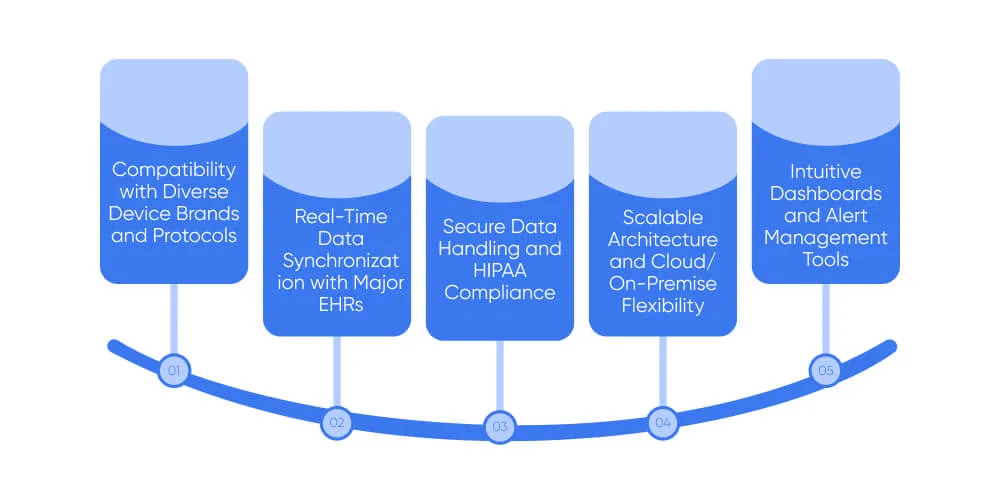
When looking for medical device integration (MDI) software for your healthcare facility, it’s essential to go beyond surface-level functionality. The right solution should integrate clinical devices with digital systems, reduce IT overhead, and meet regulatory demands. Below are some essential features to prioritize:
1. Compatibility with Diverse Device Brands and Protocols
Modern hospitals and clinics often use equipment from multiple manufacturers, each with its own communication protocols and data formats. An effective MDI solution must support a wide range of devices, from patient monitors and ventilators to infusion pumps and anaesthesia machines. Look for platforms that can integrate medical devices while supporting standards such as HL7, IEEE 11073, and FHIR. This ensures interoperability in healthcare departments without the need for extensive custom development.
2. Real-Time Data Synchronization with Major EHRs
For precise and timely patient care, data from bedside devices must flow into the electronic health record (EHR) system in real time. MDI software should automatically collect and transmit this data, reducing reliance on manual entry for clinical decision-making. Compatibility with leading EHR systems like Epic, Cerner, or Meditech is critical to avoid fragmented patient records and clinical delays.
3. Secure Data Handling and HIPAA Compliance
When it comes to healthcare, patient data security is non-negotiable. Any MDI platform you deploy must follow best-in-class security practices, including encryption in transit and at rest, multi-factor authentication, audit logging, and role-based access controls. Moreover, compliance with HIPAA and other regional regulations ensures that your healthcare organization meets legal obligations while protecting patient privacy.
4. Scalable Architecture and Cloud/On-Premise Flexibility
As your organisation grows or adopts new medical technologies, your MDI platform should scale effortlessly. Whether you’re adding new beds, rolling out remote patient monitoring, or integrating across facilities, the system must adapt without requiring a complete overhaul. Choose a solution that offers both cloud and on-premise deployment options to suit your IT strategy and infrastructure requirements.
5. Intuitive Dashboards and Alert Management Tools
Usability directly impacts clinical efficiency in healthcare facilities. MDI software should provide clean, intuitive dashboards that aggregate data from connected devices in real time. Features such as visual trend analysis, configurable alerts, and proactive notifications help clinical staff respond faster to changes in a patient’s condition, while also reducing alarm fatigue and information overload.
How MDI Software Impacts Patient Outcomes
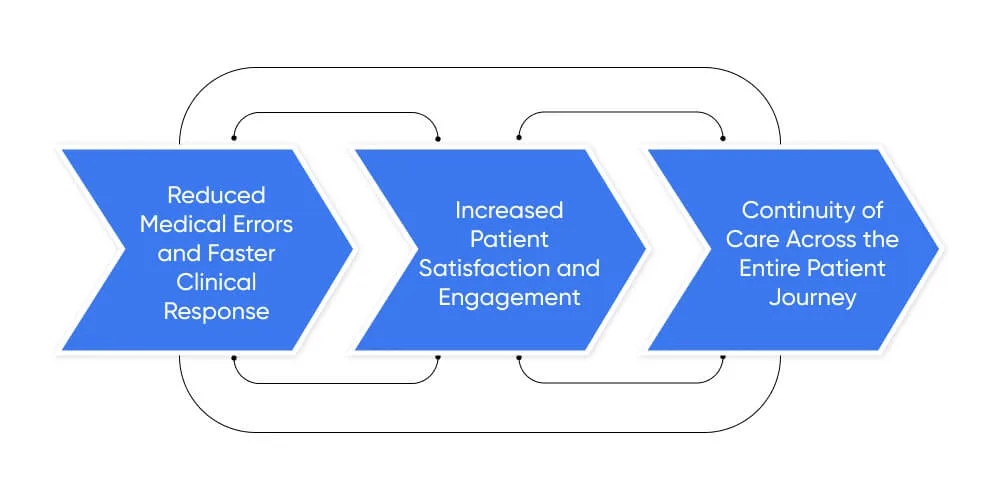
Beyond operational efficiency, the actual value of medical device integration lies in how it improves patient outcomes. By removing data silos and enabling real-time insight, MDI software empowers clinical teams to deliver higher-quality care across all settings.
1. Reduced Medical Errors and Faster Clinical Response
One of the most measurable benefits of medical device integration software is a significant reduction in transcription and data entry errors. Automated device-to-EHR data flow ensures accuracy and timeliness, which is particularly crucial in high-acuity environments like ICUs and emergency departments. Clinical teams can act faster, informed by real-time readings instead of manually updated logs, improving response times during critical situations.
2. Increased Patient Satisfaction and Engagement
With medical device integration, healthcare teams operate with complete and accurate information, fewer delays, fewer repeat tests, and more coordinated patient care. Integration also supports digital tools like patient portals, where individuals can monitor aspects of their care in real time, improving trust and transparency in the healthcare experience.
3. Continuity of Care Across the Entire Patient Journey
Whether a patient is being monitored in intensive care, moved to a step-down unit, or transitioned to outpatient care, healthcare data integration follows them across the continuum. Physicians, nurses, and specialists can all access consistent, context-rich information regardless of department or location. This unified view is essential for chronic disease management, post-surgical recovery, and multi-specialty care coordination.
How DITS can help with Custom Medical Device Integration
Implementing medical device integration software is not a one-size-fits-all initiative. Every healthcare organization operates within a unique environment, defined by its mix of legacy systems, clinical workflows, EHR platforms, and medical devices. This is where partnering with a custom development firm like DITS can make all the difference.
At DITS, we recognize that off-the-shelf integration tools frequently struggle to meet the specific alignment requirements of healthcare infrastructure and compliance needs. Our team specializes in designing custom MDI solutions that map precisely to your ecosystem.
With years of expertise in healthcare software development, DITS brings a nuanced understanding of interoperability standards like HL7, FHIR, DICOM, and IHE profiles. We’ve helped hospitals, labs, and outpatient centers unify siloed systems, enabling real-time device-to-EHR communication compliant with industry standards.
Healthcare businesses are shifting towards predictive analytics, remote monitoring, and AI-supported diagnostics. DITS builds MDI platforms for smooth integration with AI engines, patient engagement tools, and cloud-based health analytics. Whether you're planning to adopt wearable integration or launch virtual care initiatives, we ensure your software is flexible, extensible, and secure.
Conclusion
Medical device integration (MDI) software plays a vital role in healthcare by bridging the gap between clinical equipment and digital healthcare systems, creating a unified, real-time view of each patient’s condition.
From reducing documentation errors and clinician burnout to enabling predictive care and remote monitoring, MDI solutions improve both the quality and efficiency of patient care. However, the true impact of integration lies in choosing a partner who understands your infrastructure, regulatory standards, and long-term business goals.
With deep domain expertise, scalable technology, and interoperability, DITS empowers healthcare organizations to turn fragmented systems into connected ecosystems, helping them deliver safer, smarter, and more personalized care.
Frequently asked questions
Device integration refers to the process of connecting medical devices—like monitors, ventilators, or infusion pumps—with clinical information systems such as Electronic Health Records (EHRs).
Nidhi Thakur
With more than 20 years of experience - I represent a team of professionals that specializes in the healthcare and business and workflow automation domains. The team consists of experienced full-stack developers supported by senior system analysts who have developed multiple bespoke applications for Healthcare, Business Automation, Retail, IOT, Ed-tech domains for startups and Enterprise Level clients