Aspect | LLM (Large Language Models) | NLP (Natural Language Processing) | Generative AI |
|---|
Definition | Large-scale neural networks trained on vast text datasets to understand and generate human-like text. | Field of AI focused on the interaction between computers and human language. | AI systems that create new content (text, images, music, etc.) based on input data. |
Scope | Primarily concerned with understanding and generating text. | Encompasses a broad range of language-related tasks. | Involves creating new data and content in various forms. |
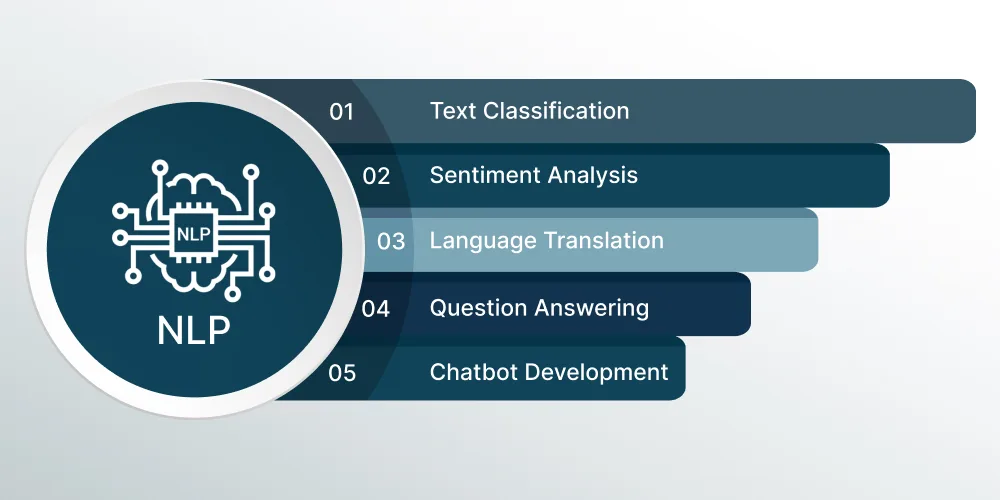
Applications | Text generation, translation, summarization, conversation systems. | Text analysis, sentiment analysis, machine translation, speech recognition. | Image generation, music composition, text generation, art creation. |
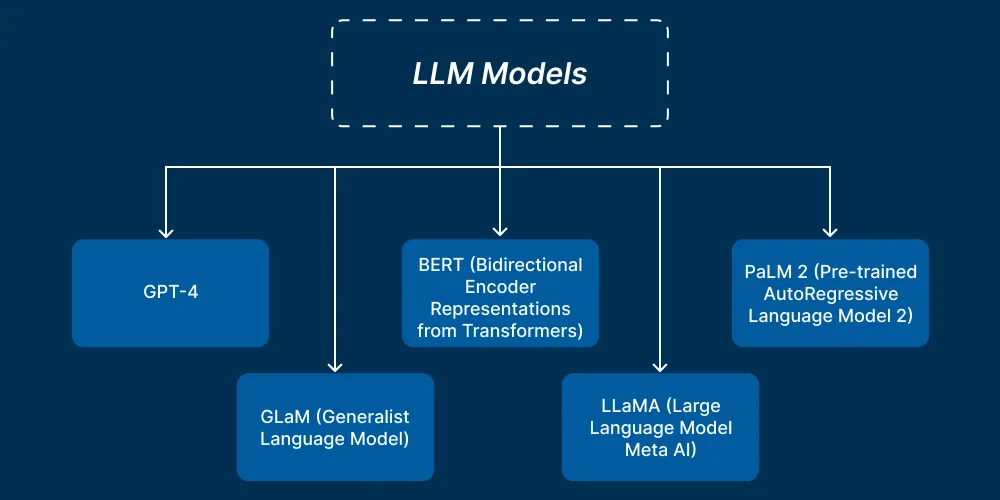
Examples | GPT-4, BERT, PaLM 2 | Tokenization, part-of-speech tagging, named entity recognition, syntax parsing. | DALL-E, GPT-3, MusicLM, StyleGAN |
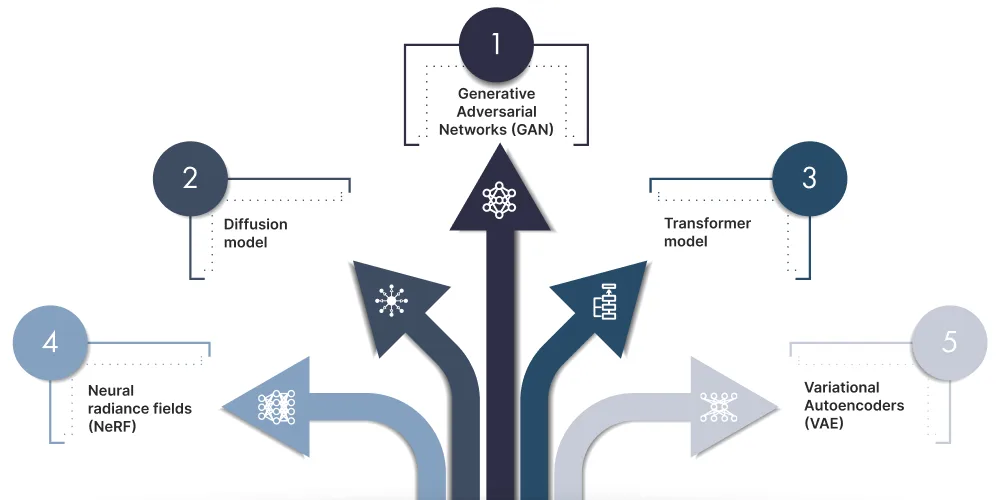
Techniques | Transformer architecture, large-scale unsupervised learning. | Machine learning, statistical methods, linguistic rules. | GANs (Generative Adversarial Networks), VAEs (Variational Autoencoders), transformers. |
Input/Output | Input: Text prompts; Output: Coherent, contextually relevant text. | Input: Text data; Output: Processed text data (tags, sentiment, etc.). | Input: Data (text, images, etc.); Output: New content (text, images, music, etc.). |
Training Data | Massive text corpora from diverse sources (websites, books, articles). | Text from various domains, annotated datasets. | Diverse datasets depending on the type of content being generated. |
Strengths | High-quality text generation, contextual understanding, scalability. | Comprehensive language understanding, diverse applications, task-specific solutions. | Creative content generation, diversity in output, innovation in media creation. |
Limitations | Requires significant computational resources, may generate biased or nonsensical text. | Dependent on quality and quantity of annotated data, can struggle with ambiguous language. | May produce biased or low-quality content, requires extensive training data. |
Key Players | OpenAI, Google AI, Facebook AI Research. | Google, IBM, Microsoft, various academic institutions. | OpenAI, NVIDIA, Adobe, various AI startups. |
Human Interaction | Minimal interaction required; often used autonomously. | Often requires human-in-the-loop for annotation and validation. | Can be used both autonomously and with human guidance. |
Customization | Fine-tuning on specific tasks or domains for better performance. | Custom models and tools can be developed for specific languages or dialects. | Custom models can be trained for specific artistic styles or content types. |
Ethical Concerns | Potential misuse for generating misleading information, privacy issues. | Bias in training data, ethical implications of automated decision-making. | Creation of deepfakes, copyright issues, and ethical use of generated content. |
Evaluation Metrics | Perplexity, BLEU score, human evaluation. | Precision, recall, F1 score, accuracy. | Inception score, Fréchet Inception Distance (FID), human evaluation. |
Historical Development | Rapid advancements in the past decade with the rise of transformer models. | Evolved from early computational linguistics to modern AI techniques. | Emerged with the development of GANs and advanced neural networks. |
Interdisciplinary Links | Closely tied with NLP, machine learning, and cognitive science. | Links with linguistics, cognitive science, computer science. | Intersects with art, media studies, computer graphics, and creative industries. |
Future Directions | Enhanced contextual understanding, multimodal models (text, image, audio). | Improved language understanding, better handling of low-resource languages. | More realistic and controllable content generation, ethical AI development. |
Real-world Impact | Enhanced conversational agents, better language understanding for applications. | Improved human-computer interaction, language translation, accessibility tools. | Revolutionizing creative industries, new forms of digital content creation. |