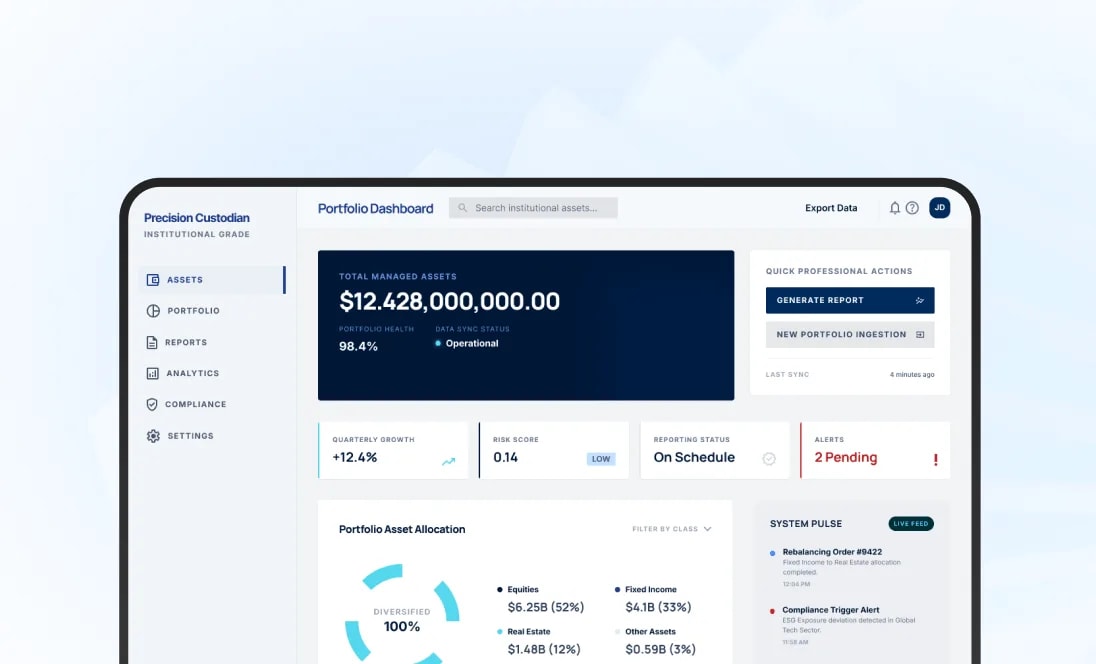


Load Posting And Job Creation
Providers create jobs specifying the shipper, destination, pickup date, and equipment required, publishing the load out to the marketplace for available drivers to bid against directly.

A freight marketplace platform connecting load providers with drivers through multi-dimensional rate bidding, built on Java and Spring Boot across managed Google Cloud services that scale with the platform's bursty traffic pattern.

The platform connects load providers with the drivers who move their freight. Carriers post jobs with destinations, pickup dates, and requirements, and drivers bid against them. This digital freight matching platform shortens the distance between a load needing movement and an asset able to move it, raising carrier productivity while lowering what shippers pay. Ditstek built the platform on a Java and Spring Boot backend running on Google Cloud Platform, with providers reviewing bids alongside driver ratings and invoicing handled inside the same system.

A driver's bid carries mileage rate, minimum miles rate, day rate, and night rate, meaning two bids can each be cheaper depending on route and hours.

With four rate dimensions in play there is no single figure a provider can sort by, so simple cheapest-first ranking would actively mislead the decision.

Providers select bids quickly, so the platform had to present multi-variable economics honestly rather than reducing everything to one headline figure that hides the real cost.

Both sides commit freight and money to a counterparty they have never met, so reputation data needed to sit beside the bid rather than inside a separate profile.

Load traffic concentrates when jobs post and again as bids close, so average-sized infrastructure fails at peak while peak-sized infrastructure wastes capacity most of the day.

Application credentials and generated documents could not sit in the codebase or on individual servers without undermining both security and the ability to scale horizontally.
Ditstek built this freight bidding platform on managed Google Cloud services with auto-scaling deployment, kept application instances stateless through cloud storage and secrets management, and carried authorization on tokens rather than sessions.

Google App Engine scales instances against actual traffic rather than fixed provisioned capacity, matching the bursty pattern that load posting and bid closing naturally produce.

Google Cloud SQL provides the managed MySQL layer, with Spring Data JPA sitting over the entity model so persistence logic stays centralized as marketplace rules grow.

MapStruct handles conversion between internal entities and data transfer objects both ways, keeping the database model out of the public contract so schemas can change safely.

JSON Web Tokens issued at login carry role, identity, and permission claims with time-based expiry, so every API call authorizes on its own merits rather than session trust.

Credentials and configuration secrets are held in Google Secret Manager rather than codebase or environment files, so they rotate without a deployment and never reach source control.

Generated and uploaded files are written to Google Cloud Storage instead of local disk, keeping application instances disposable, which is what makes auto-scaling work in practice.
This load matching software covers load creation, multi-dimensional rate bidding, reputation-aware bid comparison, direct party connection, and invoice management, running on managed cloud services with token-based authorization applied across every single interaction.
Providers create jobs specifying the shipper, destination, pickup date, and equipment required, publishing the load out to the marketplace for available drivers to bid against directly.

Drivers bid with a full rate structure rather than a single price, stating mileage rate, minimum miles rate, and separate day and night rates upfront.

Providers review all current bids against a load side by side, with driver ratings shown alongside rate structures so reputation is weighed at the decision point.

On selecting a bid the provider connects directly with the chosen driver, settling the details a structured form cannot capture between the two parties running the job.

Invoices generate and track inside the platform with amounts and dates against each job, keeping the commercial record in the same system as the load.

Tokens issued at login carry role, identity, and permission information with time-based expiry and are required to invoke the APIs, so authorization travels with each request.

Load providers and drivers now meet, bid, and settle in a single logistics marketplace platform, replacing the phone-and-relationship process that left both sides guessing at prevailing market rates.

Publishing the full rate structure with every bid means a provider compares genuine economics rather than a headline number, and ratings put reputation in front of the decision.

Building on managed cloud services kept the operational footprint small enough to run without a standing infrastructure team, while auto-scaling handles concentrated traffic without permanent overprovisioning.

A cloud-based industrial asset management platform that centralizes equipment monitoring, alarm visualization, predictive maintenance, reporting, QR-enabled access, collaboration, and historical records for distributed maintenance teams across distributed industrial operating locations.
View Project