

Advanced Case Management
Staff handle digital intake and program auto-enrollment, manage templates for contracts, treatment plans, and DAP forms, and complete assessments, with contact notes locking after required signatures.
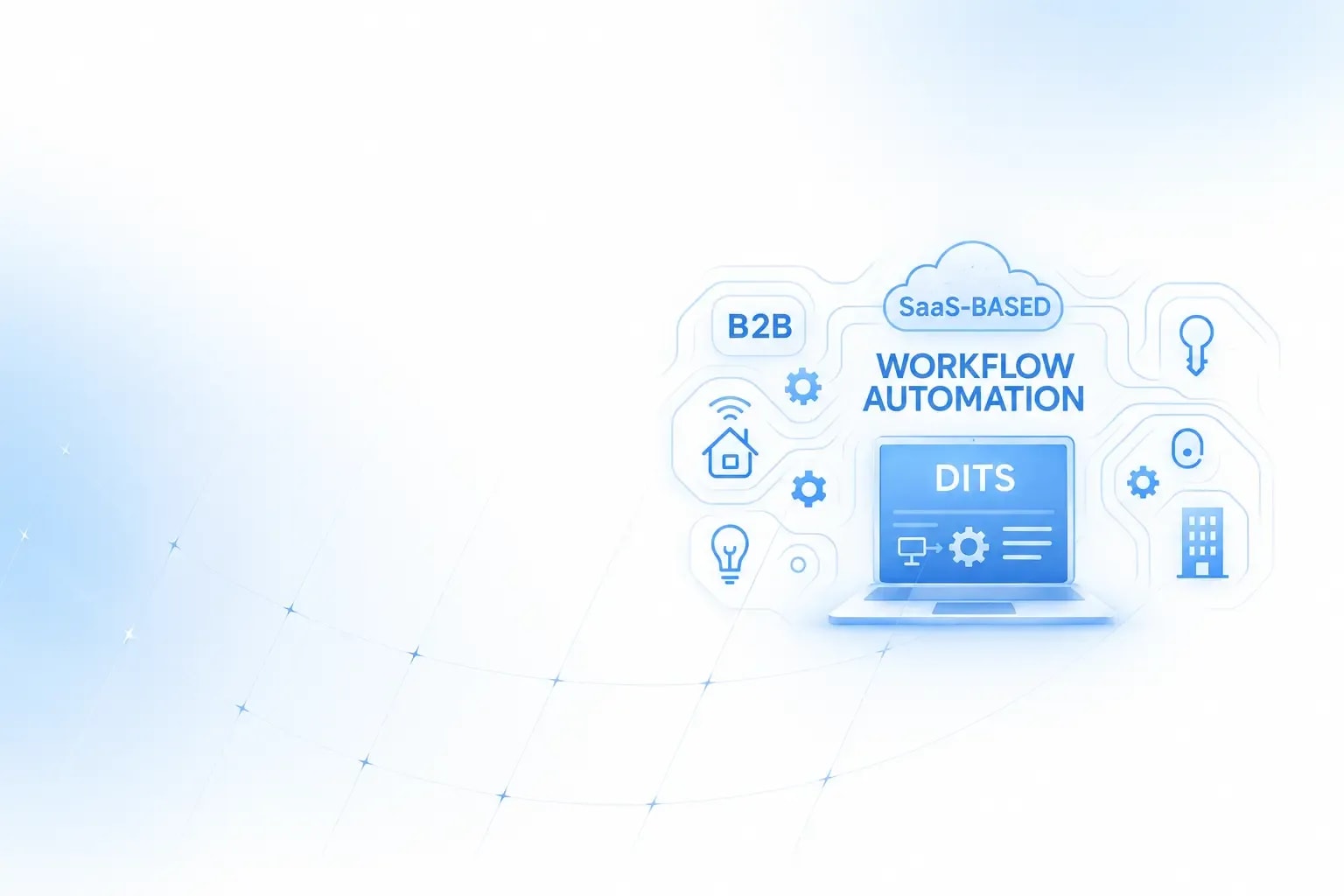
A phased corrections digital transformation that rebuilt a legacy .NET WebForms monolith into a multi-tenant SaaS platform with microservices, Kubernetes, real-time GPS tracking, digital intake, reliable signature capture, and an AI-ready foundation.
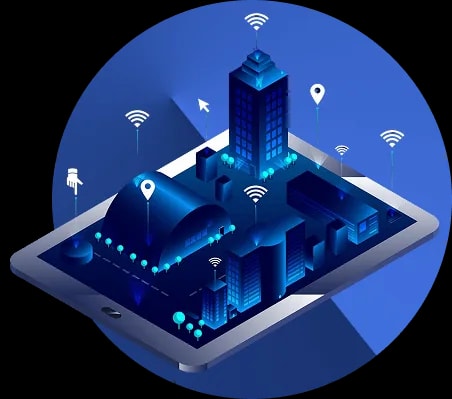
The platform began as correctional case management software for corrections and rehabilitation facilities, but paper-based processes, disconnected systems, and a legacy WebForms monolith limited accountability, safety, and growth. Ditstek partnered with the business on a phased revamp, turning it into a multi-tenant SaaS offender case management system and business workflow automation software. We modularized the architecture, containerized the infrastructure, and established a database-per-tenant model, and delivered digital intake, real-time GPS tracking, secure messaging, smart scheduling, and mobile access, so staff work faster, facilities operate more safely, and the business scales without disrupting active workflows.
Explore the critical workflow, communication, and compliance issues correctional and rehabilitation centres face due to outdated systems, lack of automation, and limited mobile and privacy capabilities.

The platform ran on a monolithic .NET 4.7.2 WebForms architecture that had become increasingly difficult to scale, maintain, and extend as the user base continued to grow.

Mounting technical debt limited the platform’s ability to onboard new customers efficiently in a multi-tenant model, slowing growth and making every new customer rollout harder.

The legacy architecture could not integrate modern AI capabilities, leaving the business unable to build smarter features on top of its existing case management data and workflows.

Offender tracking, treatment updates, sanctions, and incident reports were handled on paper or manually, causing errors, delays, and inconsistencies that hurt accountability and staff productivity.

Staff had no tools to monitor client movement outside the facility, making it hard to verify locations, confirm compliance, or respond quickly to potential safety concerns.

Medical records, billing, and scheduling ran in separate systems with no integration, causing data gaps, redundant entries, and slow coordination between departments across the facility.

Sign-out and signature handling lacked consistent validation, and obsolete UI patterns let rapid, repeated clicks create duplicate entries, corrupting data and forcing constant administrative rework.

Without role-based access control, sensitive staff notes were sometimes visible to clients, creating serious privacy concerns and putting the facility’s compliance obligations at real risk.

Staff and clients relied on scattered messaging channels, and clients could not make payments, share locations, or get meeting reminders on mobile, reducing engagement and delaying responses.
Through digital process automation services, Ditstek moved the legacy monolith to a multi-tenant SaaS platform in phases, replacing paper workflows and adding GPS tracking, secure communication, and an AI-ready foundation.

The core application was modularized and migrated to ASP.NET Core 8 and React microservices, using a transitional architecture that kept the legacy system running during the phased move.

Docker and Kubernetes containerize the new platform, giving it the scalability a multi-tenant model needs, with ELK Stack and Azure Monitor providing logging and monitoring across services.

Each tenant organization gets its own database in a database-per-tenant model, while automated Azure DMS and AWS DMS migration services safely transition legacy records into the new structure.

Signature handling and validation logic were overhauled so data persists reliably across concurrent tab updates, rapid repeated saves, validation errors, and session changes, eliminating duplicate entries.

Separate staff and client portals with role-based permissions, multifactor authentication, and SSO keep sensitive notes private and prepare the platform for safe integration with Azure AI services.

Legacy SSRS reports were replaced with Power BI, giving staff and administrators modern, interactive reporting on case, facility, and financial data for every tenant on the platform.

Guided referrals, structured assessments, and program auto-enrollment replaced paper intake, while automated workflows speed up incident reports, sanctions, and client status updates with full accountability.

Mobile GPS tracking with Google Maps and agenda-based validation checks client locations against approved schedules, giving staff secure, real-time oversight of movement outside the facility.

Centralized web and mobile messaging connects staff and clients, while calendars with recurrence logic, holiday awareness, and automated reminders reduce missed appointments and improve attendance.
The modernized platform supports rehabilitation workflow modernization across every part of facility operations, from intake and case management to GPS tracking, sign-outs, messaging, scheduling, financials, and configurable workflows on web and mobile.
Staff handle digital intake and program auto-enrollment, manage templates for contracts, treatment plans, and DAP forms, and complete assessments, with contact notes locking after required signatures.

Eleven client tabs support offender tracking and compliance, from dietary needs and security flags to ADA, PREA, and vehicle records, plus treatment dosage hours and custom user-defined fields.

Live GPS tracking, historical movement logs, agenda-based validation, and location compliance tags let staff monitor client movement outside the facility and act quickly on violations.

Ordered security walkthroughs, driver’s license scanning in the Visitor Log, and sign-out by barcode or Topaz signature pad, including mass sign-out, keep facility movement controlled.

Clients submit leave requests, make online payments, share live locations, and receive meeting reminders through kiosk and mobile apps, while staff approve requests with mandatory comments.

Internal messaging, group chats, AI transcription, and separated staff comment fields keep communication private, while Twilio sends bulk SMS and voice messages filtered by caseload or treatment group.

Integrated calendars with recurrence logic and holiday awareness plus mobile reminders support attendance, while staff can apply one leave record to many clients at once.

Financial account handling covers online payments, insurance discount automation, location-based records, and final payment approvals, while DOCX and PDF templates generate form letters from client and program data.

Configurable workflows enable case management workflow automation for events like client arrivals and incident report changes, while Global Codes control system-wide settings, dropdowns, and form availability.
The business workflow automation software delivered measurable improvements across supervision, compliance, task automation, communication, scheduling, and user adoption.

Digital logs replaced paper files entirely, reducing audit times by 90% and giving compliance teams a complete, reliable record of offender tracking and compliance activity.

A streamlined workflow automation process for intake, incident reports, sanctions, and status updates cut manual tasks by 50% and sped up approvals, freeing staff to spend more time with clients.

Holiday-aware calendars and smart reminders increased meeting attendance by 35% and reduced rescheduling by 25%, keeping client programs on track with less manual staff follow-up.

The platform reached a 95% daily staff login rate and 85% client engagement, with frequent mobile app use and wide adoption of secure digital signatures.

GPS tracking with historical movement logs reduced manual check-ins, strengthening day-to-day supervision and giving staff verified location data to confirm client compliance outside the facility.

Separated comment fields and role-based access keep sensitive staff notes hidden from clients, closing the privacy gap that previously put the facility’s compliance at risk.

Rebuilt signature and validation logic eliminated duplicate entries from rapid clicks, and signatures now persist correctly across sessions and tabs, ending data corruption and administrative rework.
The database-per-tenant model, automated migrations, and containerized microservices let the business onboard new customers into isolated environments and scale easily without disrupting active facility workflows.
AI transcription already supports staff documentation, and modern authentication, Azure Cognitive Services, and ONNX Runtime give the platform a secure foundation for the next phase of corrections digital transformation.