

IoT Remote Patient Monitoring
The Remote Patient Monitoring Platform connects blood pressure monitors, glucometers, scales, thermometers, and pulse oximeters while triggering automated alerts when abnormal patient readings are detected.
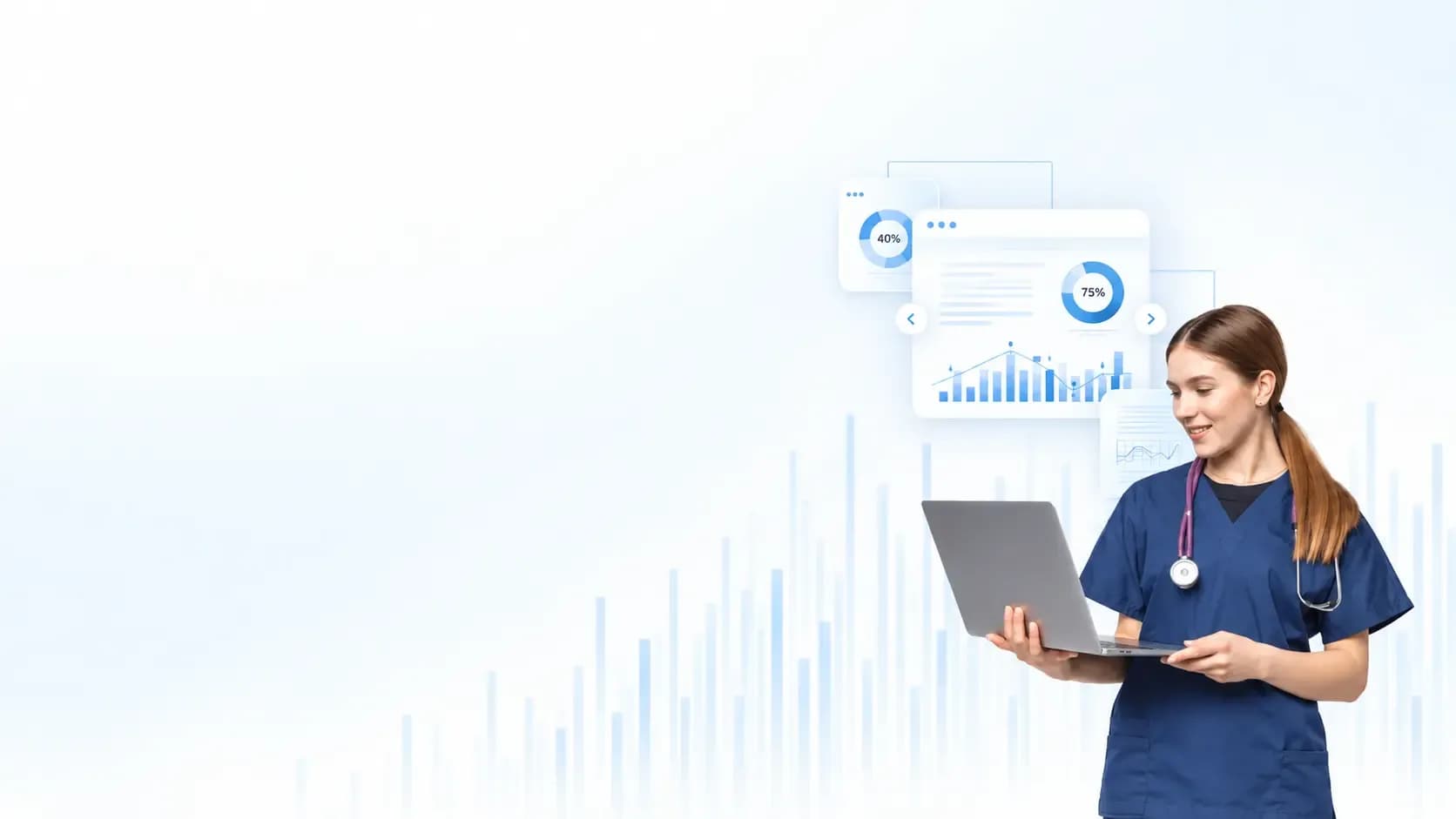
A healthcare SaaS solution and Remote Patient Monitoring Platform that supports public health programs, chronic disease management, IoT medical devices, EHR integration, telehealth, claims, reporting, and secure patient-provider workflows across web and mobile applications.
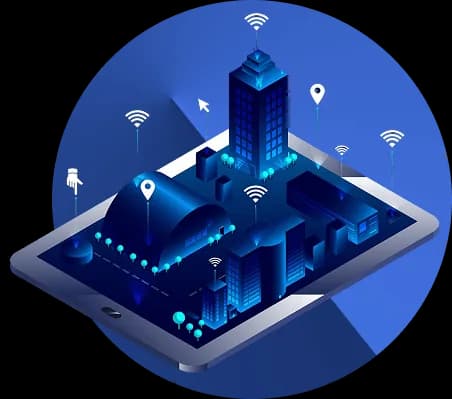
The platform is a SaaS healthcare platform designed for Remote Patient Monitoring, chronic disease management, and large-scale public health programs. It enables providers to monitor patient vitals, identify abnormal readings, coordinate interventions, manage programs, and support reimbursement workflows across web and mobile applications. Through Public Health Technology Consulting, Healthcare SaaS Transformation, and Healthcare IoT Transformation, Ditstek re-architected the solution to improve data isolation, modernize backend architecture, integrate EHR workflows and connected medical devices, strengthen security, and support scalable healthcare SaaS solutions and public health operations.
We addressed fragmented data silos, manual reporting inefficiencies, strict compliance standards, and diverse stakeholder needs, delivering a unified, secure, and scalable platform tailored for modern healthcare systems.

Rapid platform growth exposed limitations in the legacy architecture, affecting patient workflows, compliance, scalability, and operational efficiency while increasing maintenance demands across connected healthcare modules.

Patient and partner information from external EHR systems often required duplicate entry, increasing administrative workload, introducing errors, and complicating claims reconciliation with recorded healthcare services.

Weak data isolation created privacy risks because some users could potentially access information belonging to other clients, while inactive administrators retained access and login restrictions remained insufficient.

Clinical workflows suffered from slow APIs and mobile delays, with some operations exceeding ten seconds and vital updates taking 12–13 seconds before reaching healthcare providers.
Timezone inconsistencies, notification issues, chat performance, session loading, QR workflows, and telehealth permissions created data integrity and usability problems across devices, browsers, and user locations.
Disorganized legacy code and limited documentation consumed significant engineering time, while introducing AI-assisted development required stronger safeguards for proprietary code, confidential information, and business logic.
Ditstek modernized the platform through Public Health Digital Transformation, improving security, EHR interoperability, performance, Healthcare IoT Transformation, and Chronic Care Management Transformation while establishing scalable foundations for public health and remote patient monitoring.

The platform was re-architected using modular services, strict role hierarchies, permission controls, and centralized error handling to improve data isolation and protect sensitive healthcare information.

A secure FHIR R4 integration synchronized healthcare service information with external EHR systems and automatically linked claims to corresponding clinical records, reducing duplicate entry and reconciliation effort.

Redis caching, concurrent database queries, and optimized backend operations reduced response times across high-traffic workflows, supporting faster dashboards, provider management, and real-time patient monitoring activities.

The mobile architecture was upgraded with stronger error handling and standardized timezone logic, improving application stability while ensuring healthcare dates remained accurate across different user regions.

Telehealth permissions and dynamic QR workflows were strengthened to provide more consistent behavior across browsers and mobile devices, improving access to enrollment and virtual care experiences.
Stricter development standards, automated linting, structured DTOs, secure AI guardrails, and scalable cloud infrastructure improved maintainability, development velocity, and long-term Public Health Digital Transformation readiness.
The SaaS healthcare platform combines remote patient monitoring, IoT medical devices, public health program management, assessments, telehealth, claims, reporting, messaging, tasks, and secure access within one connected healthcare technology ecosystem.
The Remote Patient Monitoring Platform connects blood pressure monitors, glucometers, scales, thermometers, and pulse oximeters while triggering automated alerts when abnormal patient readings are detected.

Configurable public health programs support dashboards, members, devices, vitals, reports, clinical goals, enrollment, re-enrollment, and locked configurations that protect finalized healthcare program criteria and workflows.

Dynamic screenings and health assessments support chronic disease questionnaires, Social Determinants of Health evaluations, automated scoring, risk thresholds, and provider alerts requiring timely clinical attention.

Secure telehealth supports individual and group sessions with questionnaires, active-time tracking, video conferencing, clinical notes, and cross-device workflows for consistent virtual healthcare delivery across devices.

Claims and billing workflows manage CPT codes, service records, approvals, reimbursements, invoices, and payment reconciliation while connecting financial activity with corresponding EHR healthcare services and records.

Role-based dashboards, secure messaging, task management, audit trails, MFA, provider hierarchies, and QR-based enrollment support coordinated public health operations across administrators, providers, patients, and partner organizations.
Generate accurate, CMS-compliant invoices and reimbursement tracking reports. Automates billing workflows and ensures timely, transparent financial operations across health programs and remote care delivery systems.
From real-time interventions to claims automation and seamless onboarding, the platform drives measurable improvements in care coordination, regulatory compliance, and scalability for diverse healthcare organizations.
Minimum Data Elements reporting errors were reduced to 0.0%, improving data accuracy and strengthening reporting reliability across large-scale public health programs and operational healthcare workflows.
Mobile vital-update delays decreased from 12–13 seconds to 2–3 seconds, giving healthcare providers faster visibility into patient health information and improving Remote Patient Monitoring Platform responsiveness.
Critical API response times were reduced to under three seconds, improving dashboard, audit, and other high-traffic workflows across the broader Healthcare SaaS Transformation modernization initiative.
Controlled AI-assisted development practices improved feature prototyping speed by 30–40%, helping the engineering team deliver enhancements faster while maintaining safeguards around proprietary platform information and logic.
Cloud infrastructure was configured to scale dynamically between 3 and 100 replicas, supporting changing application demand across public health, telehealth, and remote patient monitoring workflows.
The final security audit identified 0 potential vulnerabilities, strengthening protection of sensitive healthcare information across the platform's role-based, cloud-hosted, integrated, and data-driven healthcare workflows securely.